





5 questions you should ask yourself before taking food supplements!

Question no. 1: Do I have an increased need for certain nutrients?
- Pregnant women or women who want to become pregnant: It is recommended that they take folic acid. The reason: the need for most vitamins and minerals increases after the third month of pregnancy and can be covered very well by a balanced diet. Folic acid and iodine , however, are an exception. Folic acid plays an important role in cell division and growth processes, among other things. Iodine is also a central component of thyroid hormones and is essential for the physical and mental development of the unborn child.
- Athletes: In competitive sports, athletes can rely on customised nutrition plans that are individually tailored to them. However, if you don't have a nutritional expert at your side, you may hastily resort to supplements that promise a lot. Caution is advised here, because if several products are used at the same time, a sensible dosage may be exceeded. However, there are also good combination supplements that are formulated for athletes and help them to stay healthy. This is precisely the crux of the matter: dietary supplements are not suitable for improving performance, but for replenishing depleted reserves in a targeted manner.
- Stressed people: When we are stressed, our body and circulation are working at full speed. This is why we need more energy, oxygen, vitamins and minerals, especially in stressful phases. If you don't pay close attention to your diet, you can quickly deplete your energy reserves. This is especially true because when we are stressed, we also tend to reach for real nutrient robbers such as sugar, alcohol or too much coffee. This is where dietary supplements such as vitamin B complex, which is involved in nerve function, regeneration and growth, can help.
Another problem: when our body releases the stress hormones adrenaline and cortisol, it also releases magnesium . A magnesium deficiency should therefore also be compensated for with the help of dietary supplements if necessary.
A stress-related nutrient deficiency may also become noticeable if your intestinal health becomes unbalanced. So if your gut regularly rebels, probiotics can have surprisingly positive effects on your well-being.
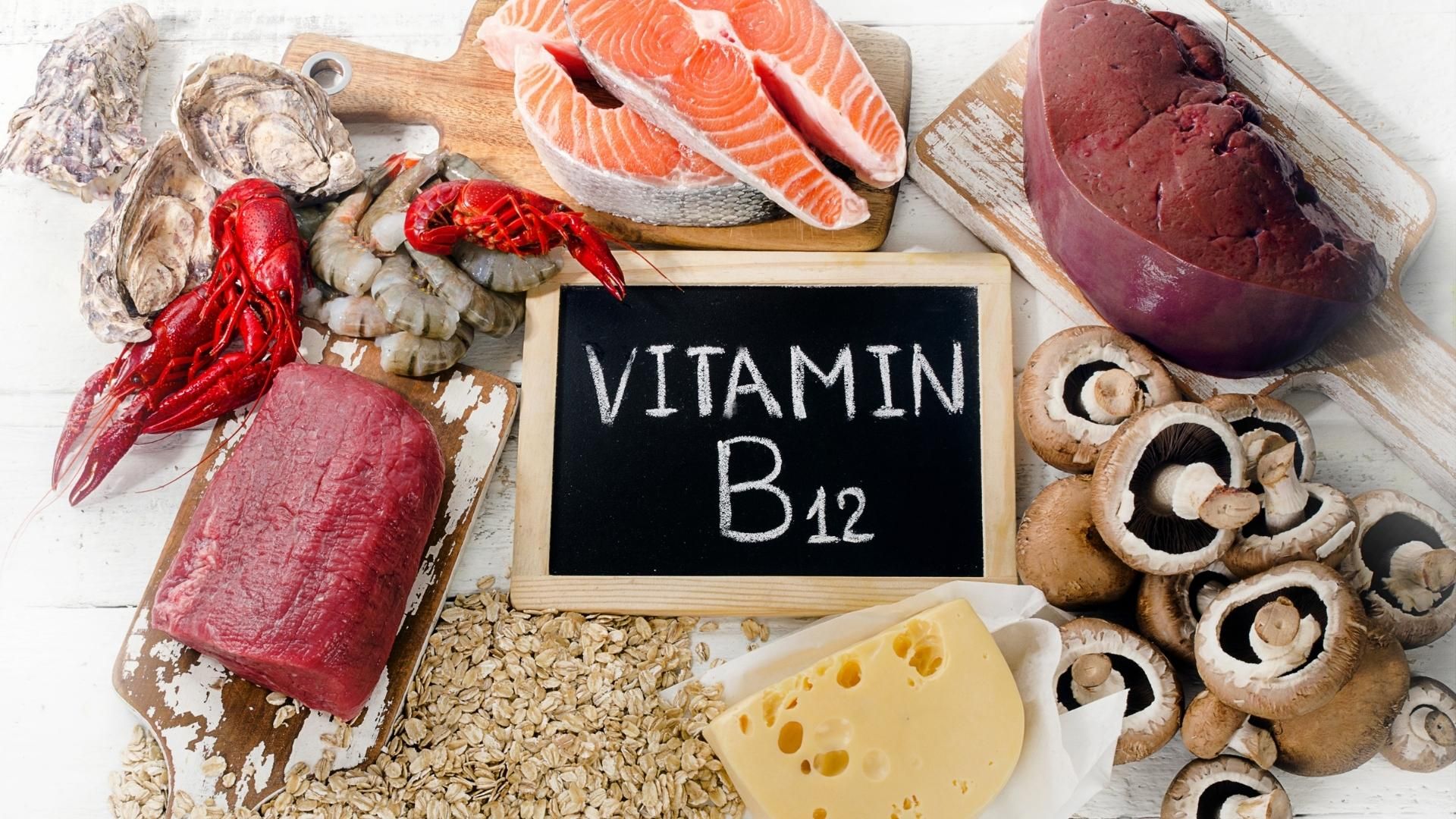
- Older people: For many older people, their sense of taste and hunger decreases. At the same time, their nutritional requirements remain the same or may even be increased. For this reason alone, taking supplements containing vitamin B12, C, D or folic acid as well as magnesium can help older people to stay healthy. The over 65s in particular are considered a risk group for the supply of vitamin D, as the skin's ability to produce vitamin D decreases significantly with age. People who spend little time outdoors, have limited mobility or are in need of care should take vitamin D supplements after consulting their doctor. This is because a low vitamin D status also reduces the absorption of calcium, which is important for the function of skeletal muscles. Age-related reduced stomach acid production can also reduce the absorption of vitamin B12. In addition, around 30% of people over the age of 65 develop atrophic gastritis, which can lead to reduced absorption of vitamin B12.
Question no. 2: Do I have a nutrient deficiency?

Question no. 3: How do I find out which dietary supplements I need?

Question no.4: Do I know the recommended daily dose or possible interactions?
