



Skip to main content Skip to search Skip to main navigation
Go to homepage

Good nutrition - better health: how to stay fit throughout the day

We all know that: Alongside exercise, a healthy diet is the best preventative medicine there is. But for very few of us, this realisation is 100% compatible with the demands of everyday work and family life.
Too fatty. Too sweet. Too prefabricated. Too salty. Too little attention and eaten too late. Or simply too unbalanced. Nutritional sins lurk in every nook and cranny. If you don't take timely countermeasures, you shouldn't be surprised if sooner or later either the scales or your body itself sends out the first alarm signals.

First signs & consequences of an unhealthy diet

Your favourite jeans that suddenly no longer zip up. Or the fact that you no longer take the stairs to the fourth floor with the ease you used to are the first, relatively harmless signs that you should question your own eating habits. It becomes critical when the immune system can no longer fight off recurring infections, you are slowed down by constant tiredness or your digestion keeps causing problems. Also when the doctor points out the first signs of high blood pressure.

In this case, a rethink is called for! Because an unhealthy diet can have serious consequences. According to a Global Burden of Disease (GBD) study , experts believe that more than half of all diseases today are caused by an unhealthy diet. Above all diabetes and heart disease, an increased complication rate after surgery or an increased risk of stroke.
The paradox is that poor nutrition is not only the cause of obesity. Despite bulging shopping baskets and fridges, many people suffer from a lack of micronutrients, vitamins and trace elements, which also has an impact on health and performance.

Simply eat well. Is that possible?

If you completely overthrow your diet from one day to the next, you run the risk of quickly becoming fed up with this resolution. A path of small steps promises more success. Say goodbye to small dietary sins bit by bit and build in fresh, healthy new rituals!
If you want to help your body regain balance and performance quickly or prevent deficiency symptoms, you can also make use of various dietary supplements. Because, to give the truth its due: For many people, it is illusory to adhere to the WHO recommendation of eating 5 to 7 portions of fruit and vegetables a day, for example. And what's more, they should be of the best quality, harvested when fully ripe and from controlled cultivation.

How can nutritional supplements help?

Basically, the greater the physical strain - whether through hard work, a lot of sport or a stressful everyday life - the more the nutrient stores in the body are depleted. The same applies to people who have to alternate between day and night shifts at work, are permanently dependent on medication or suffer from a food intolerance. Older people also often eat less because they feel less hungry, although their nutritional requirements remain at least as high. They are therefore more likely to have a micronutrient deficiency - just like vegans, vegetarians or smokers. Food supplements are a very good way of dealing with this because they supply the body with the necessary nutrients and other substances in concentrated form.

Zinc, for example, is a true all-rounder that is involved in numerous physiological and biochemical processes in the body. A deficiency manifests itself in a variety of ways, such as a weakened immune system, skin problems, hair loss or dull and brittle hair, fatigue or nail disorders.

Multivitamin supplements are also a good basis for supplying the body with all the important vitamins, trace elements, magnesium and valuable plant substances throughout the year.

It is sometimes difficult to get enough omega-3 fatty acids from food. Especially for people who don't like fish. However, these polyunsaturated fatty acids play a crucial role in maintaining a healthy cardiovascular system and have a positive effect on blood lipid levels, brain function and vision.

Another "classic" of our time is difficulty falling asleep and staying asleep, which is a typical side effect of stress or overwork. However, the body can only regenerate and remain efficient in the long term if it gets enough sleep. Sleep disorders should therefore not be taken lightly and, if necessary, counteracted in good time with the help of dietary supplements. Caution is always advised here! It is better to useherbalremedies because sleeping pills harbour a high risk of addiction.

Skip product gallery
SABE sana Zinc 30 capsules
SABE sana Zinc 30 capsules are a dietary supplement containing the vital trace element zinc. Zinc is a true all-rounder and supports the normal function of skin, hair and nails, the immune system and other processes in the body.

Content: 60 Stück

€21.50*

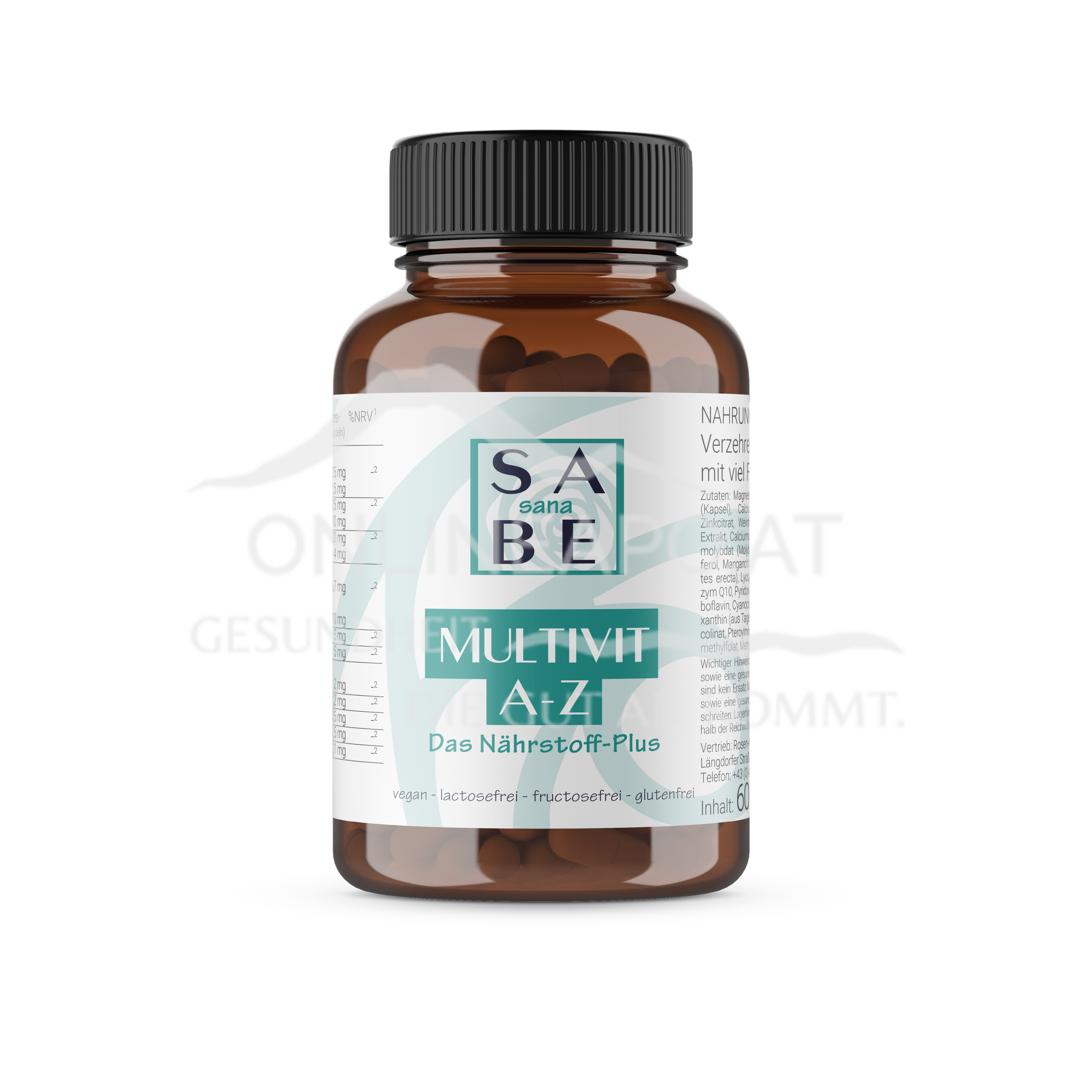
SABE sana Multivit A-Z capsules
The SABE sana Multivit A-Z capsules are a dietary supplement with the daily plus of vitamins, minerals and trace elements. Supports the daily fulfilment of micronutrient requirements.

Content: 60 Stück

€24.50*

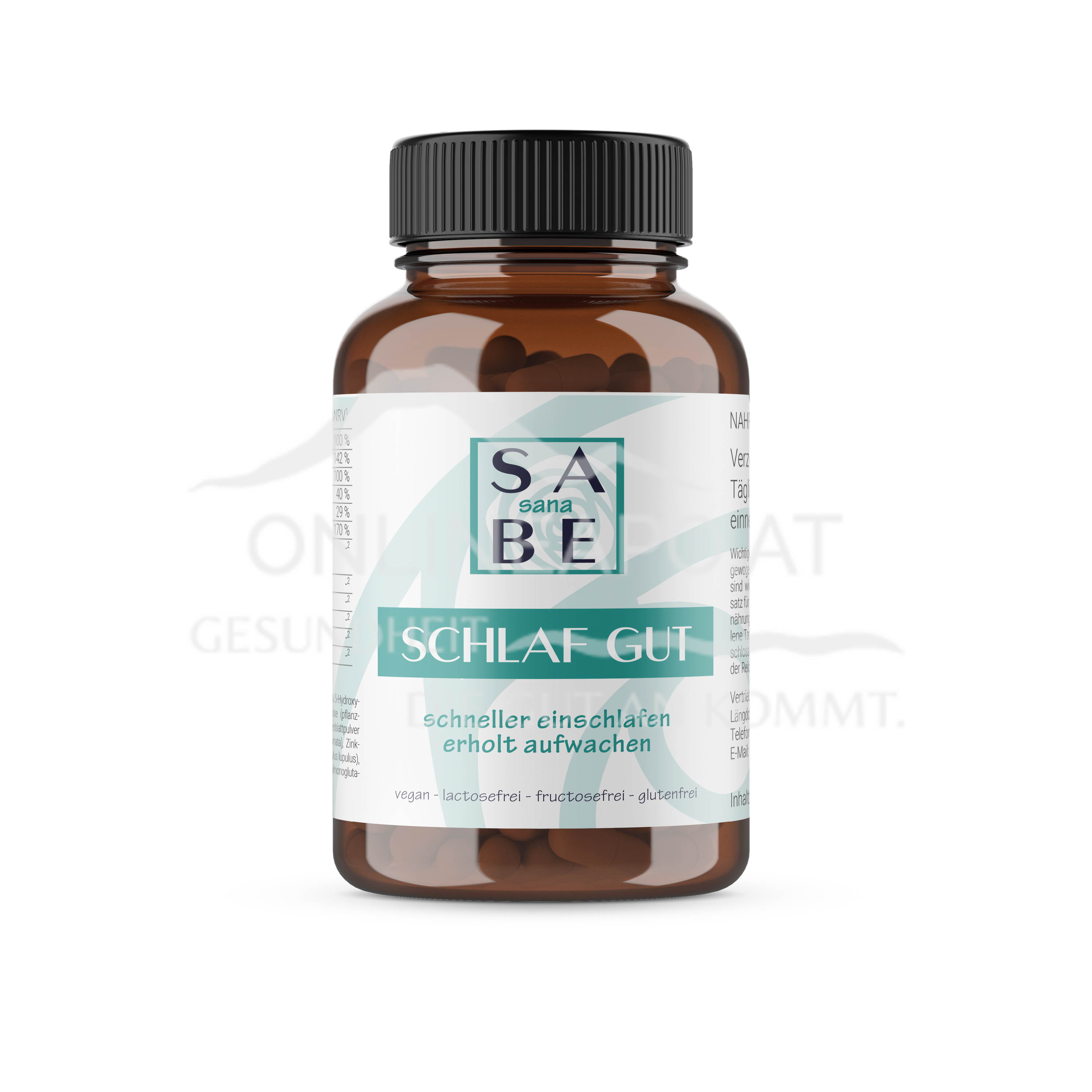
SABE sana Sleep Well Capsules
SABE sana Schlaf Gut capsules are a dietary supplement with a balanced combination of nutrients. This helps you to fall asleep and ensures relaxation for body and mind during sleep. For a normal sleep cycle.

Content: 60 Stück

€22.50*

SABE sana Magnesium+ capsules
SABE sana Magnesium+ capsules are a dietary supplement to support a balanced supply of magnesium. The essential mineral ensures the normal functioning of the human nervous system and muscles.

Content: 60 Stück

from €19.50*

Average rating of 5 out of 5 stars

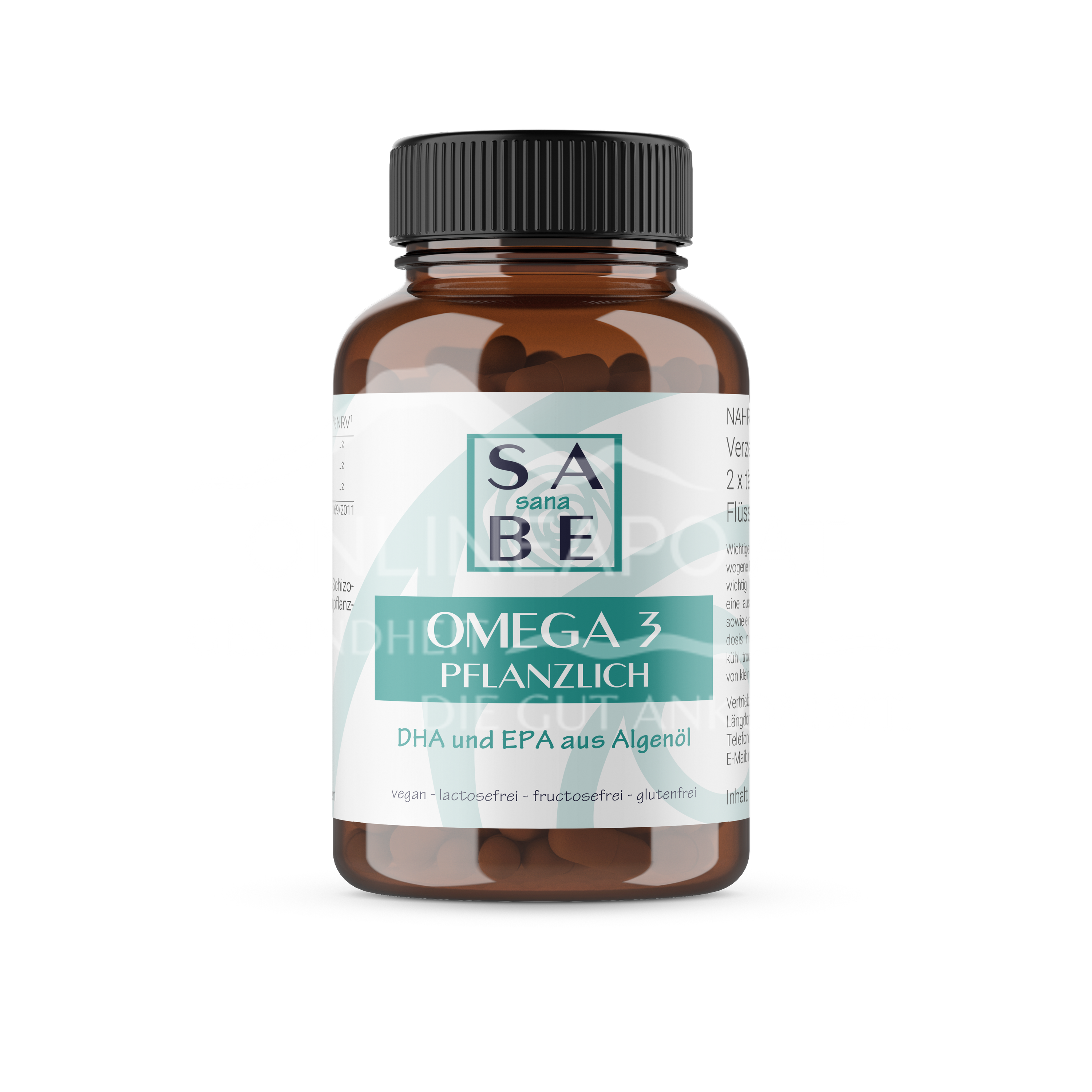
SABE sana Omega 3 vegetable capsules
The SABE sana Omega 3 vegetable capsules are a dietary supplement with a sustainable vegetable source of the valuable fatty acids EPA and DHA. The fatty acids support the normal function of the heart, brain and vision.

Content: 60 Stück

€27.50*

When are food supplements useful?

Food supplements cannot replace a healthy diet, but they are able to fill any gaps that arise. This means that food supplements are useful if you supply your body with the right nutrients in the right dosage to alleviate certain consequences of deficiency symptoms. For this reason, it is not advisable to proceed according to the watering can principle. The rule "a lot helps a lot" does not apply here. It is more important to consult a nutritionist, doctor or pharmacist who can provide specific help with the selection and dosage. And who can guarantee high product quality when it comes to dietary supplements. Unfortunately, there are always suppliers on the Internet who advertise with unauthorised product promises, do not specify specific dosages or even contain substances that are harmful to health.

We stay in touch!