
Pascomucil®


Pascomucil® - is a plant-based swelling agent made from ground Indian psyllium husks for stool regulation.
€14.65
(May vary by country)
No longer available
No parcel tax applies to your order from Onlineapo.at.
Your benefits of Pascomucil® at a glance:
- offers support for irritable bowel syndrome
- offers support for chronic constipation
- provides support for painful bowel movements, e.g. after rectal surgery
- offers support for tears in the anal mucosa
- offers support for haemorrhoids
- offers support for high cholesterol levels
- from 6 years
Regulate the digestive tract
Pascomucil® stimulates the rhythmic processes in the digestive tract. The active ingredient Indian psyllium husk can have two effects: Firstly, it has the water-binding ability, e.g. in the case of irritable bowel syndrome or diarrhoea, and secondly it has a digestive effect in the case of constipation.
Powerful gut - powerful person
The gastrointestinal tract has a lot to do: it breaks down the food eaten, absorbs the nutrients and makes them available to the body. It is also involved in 70-80 per cent of the function of our immune system - so it's no wonder that a sick gut can affect the whole person. Billions of cells filter out the nutrients that are vital for us. They are supported by countless little helpers, such as lactic acid bacteria, coli bacteria and enterococci, which together are also known as intestinal symbionts. An unbalanced diet, prolonged stress and antibiotics can damage healthy intestinal flora. Plenty of fluids, a balanced diet and mental balance are therefore important for good and healthy intestinal function.
Intestinal flora - little helpers for your health
Billions of bacteria support the intestinal cells in digestion and defence. The intestinal flora consists of intestinal symbionts. The word symbiont comes from the Greek "symbio" (living together for mutual benefit). It is important for our digestion and our immune system that these bacteria colonise our intestines in sufficient quantities and in the right proportions. Many factors can put a strain on healthy intestinal flora - for example an unbalanced diet, excessive stress and antibiotics.
Intestinal sluggishness, constipation?
The "transit time" through the intestine varies depending on the type of food. With foods that contain a lot of nutrients but little fibre, the amount of stool can be very small and the transit time can be long. If more fibre is consumed, more stool is produced. The widespread belief that a daily bowel movement is absolutely necessary is not correct: three bowel movements a day can be just as normal as three times a week! We only speak of constipation when a bowel movement occurs less than three times a week.
The causes can be many and varied: organic diseases, insufficient fluid and fibre intake, certain medications or lack of exercise.
The following therefore applies: Firstly, have the cause clarified and then support bowel function. Strong laxatives should only be taken in the short term. In the long term, however, they can have a detrimental effect on the body's mineral and fluid balance.
Tips for constipation:
- make sure your diet is rich in vital substances and fibre and low in sugar and meat. Avoid white flour products!
- exercise more (even a daily walk can help with digestion!)
- drink at least 2-3 litres a day, ideally non-carbonated mineral water, herbal and fruit teas
- talk to your doctor about intestinal cleansing or fasting therapy
- Diarrhoea? For the calm after the storm
- Inflammation of the intestinal mucosa is usually accompanied by diarrhoea or nausea. Possible causes are infectious diseases or poisoning - e.g. from alcohol or spoilt food, dietary errors and laxative abuse. Viruses or pathogenic bacteria often lead to imbalances in the intestine's natural bacterial system. As vomiting diarrhoea can occur with a number of serious illnesses, you should definitely see a doctor! The same applies if diarrhoea is unusually severe or lasts longer than two days, as this can lead to a dangerous loss of fluids and electrolytes.
Tips for diarrhoea:
- Do not eat anything in the first few days of severe diarrhoea
- Drink plenty, especially teas and electrolyte solutions, to compensate for the loss of water
- Keep your stomach warm
- Rest in bed
- Support yourself with swelling agents
- Diarrhoea diet: 1-2 days of tea fasting, possibly with the addition of charcoal or healing clay, then eat 1-1.5 pounds of grated apple in 3-4 portions for 2 days. Followed by a gentle gastrointestinal diet (easily digestible, low in fat and protein)
Active ingredient from nature - the seed husk of the Indian psyllium seed
The swelling agents that are important for the use of Pascomucil® are found in the seed husk of Indian psyllium seeds. The seed husks mainly contain dietary fibre and mucilage. Psyllium husks can bind up to forty times their own weight in water. They contain 85% dietary fibre, which is partially fermentable and acts through its ability to bind water in the intestine. Intestinal motility and the speed of intestinal passage of the stool can be accelerated by mechanical stimulation of the intestinal wall, on the one hand by increasing the water binding of the intestinal contents, on the other hand by decreasing the viscosity of the intestinal contents or by the dietary fibres themselves. In the case of constipation, Pascomucil®, taken with plenty of liquid, can cause a faster intestinal passage and easier bowel evacuation due to the increase in stool volume and the resulting stimulation of intestinal movement. In the case of diarrhoea, Pascomucil® can bind water and thus counteract the rapid intestinal transit of the liquefied intestinal contents.
Dosage form
Powder
Use
For the treatment of chronic constipation. For the treatment of conditions in which easier bowel evacuation with soft stools is desired, e.g. painful bowel movements after rectal and anal surgery, tears in the anal mucosa (anal fissures) or haemorrhoids.
Adults and adolescents aged 12 and over
- 1 level measuring spoon, 3 times a day.
Children from 6 to 12 years
- 1 level measuring spoon, 2 times a day.
For the treatment of patients for whom an increased daily intake of dietary fibre is advisable, e.g. as supportive treatment for constipation and as supportive treatment for increased cholesterol levels (hypercholesterolaemia).
Adults and adolescents aged 12 and over
- 2 level measuring spoons, 3 times daily.
Method of administration:
Mix the appropriate dose in plenty of liquid, approx. 150 ml water, milk or fruit juice or a similar aqueous liquid; stir quickly and drink quickly, otherwise the psyllium husks will already swell in the glass or cup. Alternatively, the powder can be taken directly and washed down with a sufficient amount of liquid (approx. 150 ml). To maximise its gentle effectiveness, ensure that you drink enough liquid. It should be taken during the day and at least ½ to 1 hour before or after taking other medicines. The onset of action is 12-24 hours after ingestion.
Caution: Do not take when lying down and not immediately before going to bed.
Duration of use:
The duration of use is not limited in principle, but if constipation persists for longer than 3 days, a doctor or pharmacist should be consulted.
Intended use
- Herbal swelling agent
- for the treatment of chronic constipation.
- for the treatment of conditions in which easier defecation with soft stools is desired, e.g. painful bowel movements after rectal and anal surgery, tears in the anal mucosa (anal fissures) or haemorrhoids.
- for the treatment of patients for whom an increased daily intake of dietary fibre is advisable, e.g. as supportive treatment for constipation and irritable bowel syndrome and as supportive treatment for increased cholesterol levels (hypercholesterolaemia).
Ingredients
The active ingredient is: Indian psyllium husks 5 g powder contains: Indian psyllium husks (Plantaginis ovatae seminis tegumentum) 2.5 g.
The other ingredient is: Lactose monohydrate
| Alcohol-free: | Not specified |
|---|---|
| Gluten-free: | Not specified |
| Grams: | 200 |
| Lactose-free: | Not specified |
| Perfume: | Not specified |
| Sugar-free: | Not specified |
| Vegan: | Not specified |
Instructions for use
| Type of use: | Beutelinhalt mit mindestens 75 ml Flüssigkeit mischen und zügig einnehmen Bei der Vorbereitung für die Anwendung Pulver nicht einatmen Allergiegefahr |
|---|---|
| Field of use: | Chronische Verstopfung, zur Erleichterung der Darmentleerung, erhöhte Aufnahme von Ballaststoffen bei Reizdarmsyndrom oder Hypercholesterinämie |
| Dosage: | Verstopfung, Erleichterung der Darmentleerung 3mal tgl 1 Beutel oder 1 gestichener Messlöffel, Kinder 6-12 Jahre 2mal tgl 1 Beutel oder 1 gestichener Messlöffel Reizdarm, Hypercholesterinämie 3mal tgl 2 Beutel oder 2 gestichene Messl |
| Properties and efficacy: | Quellstoff |
| Contraindications: | LogImport.sisx.GAD.Rektalblutungen, MagenDarmstenosen, Darmverschluss, Darmparalyse, schwer einstellbarer Diabetes, Schluckbeschwerden |
| Side effects: | Blähungen, MagenDarm, Überempfindlichkeit allergische Sensibilisierung |
| Special warnings for safe use: | Ausreichend Flüssigkeit zuführen Unterstützende Behandlung einer Hypercholesterinämie ärztlich überwachen 1 Beutel enthält ca 0,2 BE |
| Interactions: | Mindestens ½ bis 1 Std Abstand zu anderen Arzneimitteln Vorsicht Insulin, Schilddrüsenhormon, Opiate, Loperamid |
| Pregnancy and breastfeeding period: | Anwendung möglich |
Pregnancy information
| Use allowed |
|---|
Breastfeeding information
| Breastfeeding allowed |
|---|
Pictograms
| Caution for diabetics |
|---|
Our recommendation
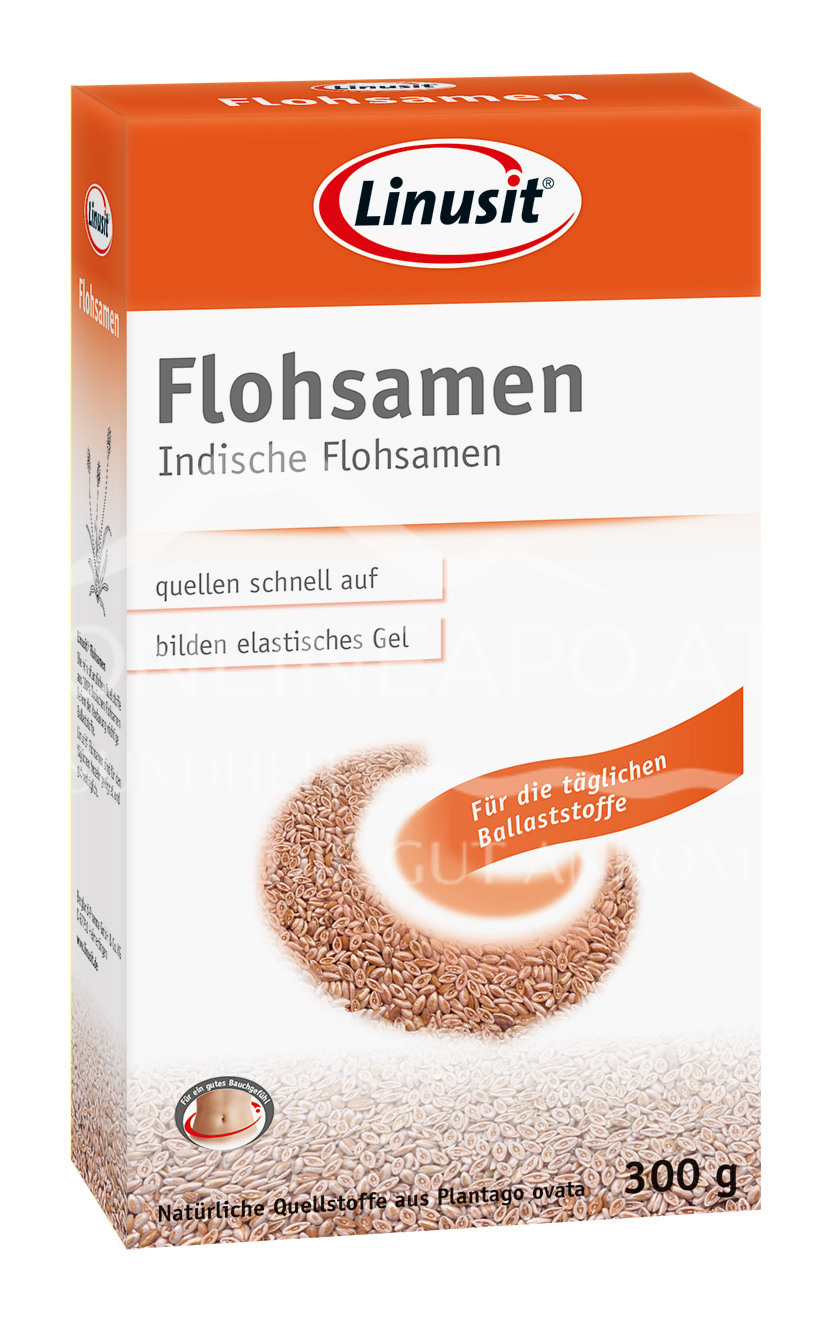
Lagernd
Content: 300 Gramm
€13.25*
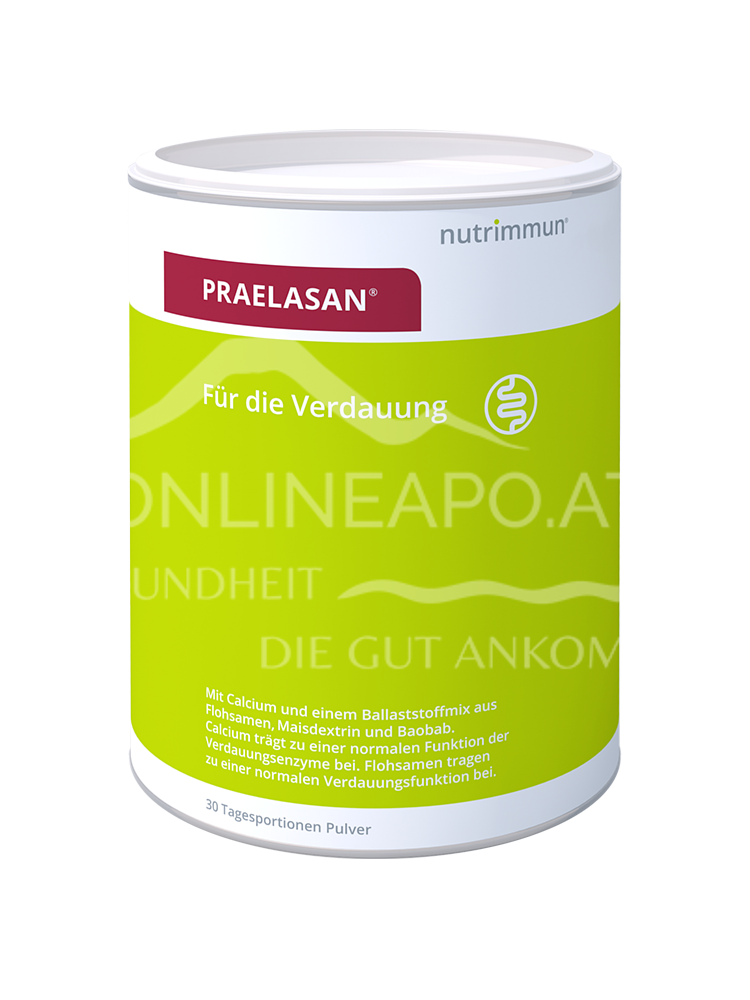
Lagernd
Content: 420 Gramm
€32.95*
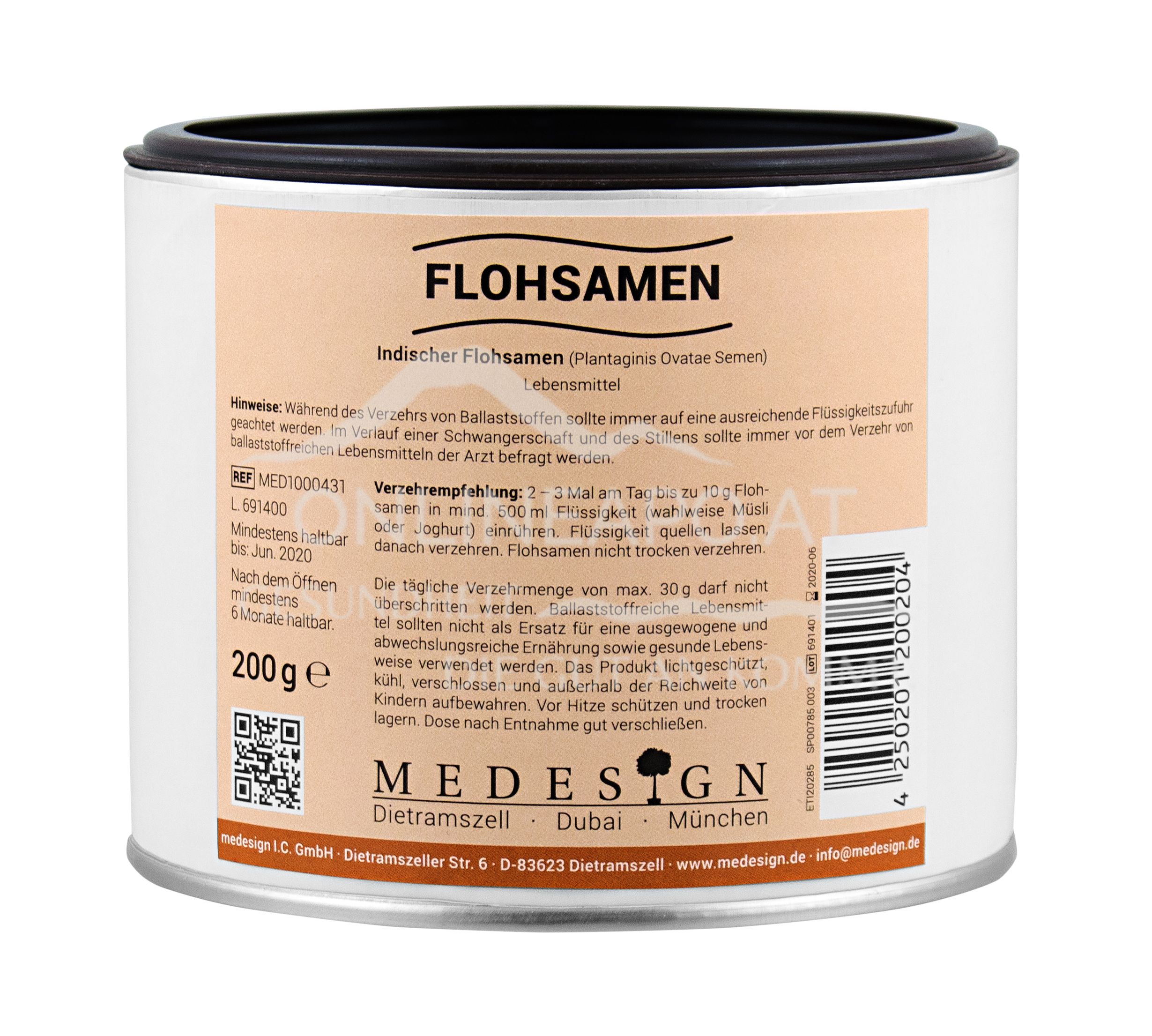
Lagernd
Content: 200 Gramm
from €10.20*