
Kenrico QU-1 herbal plasters with milk thistle, 2 ST
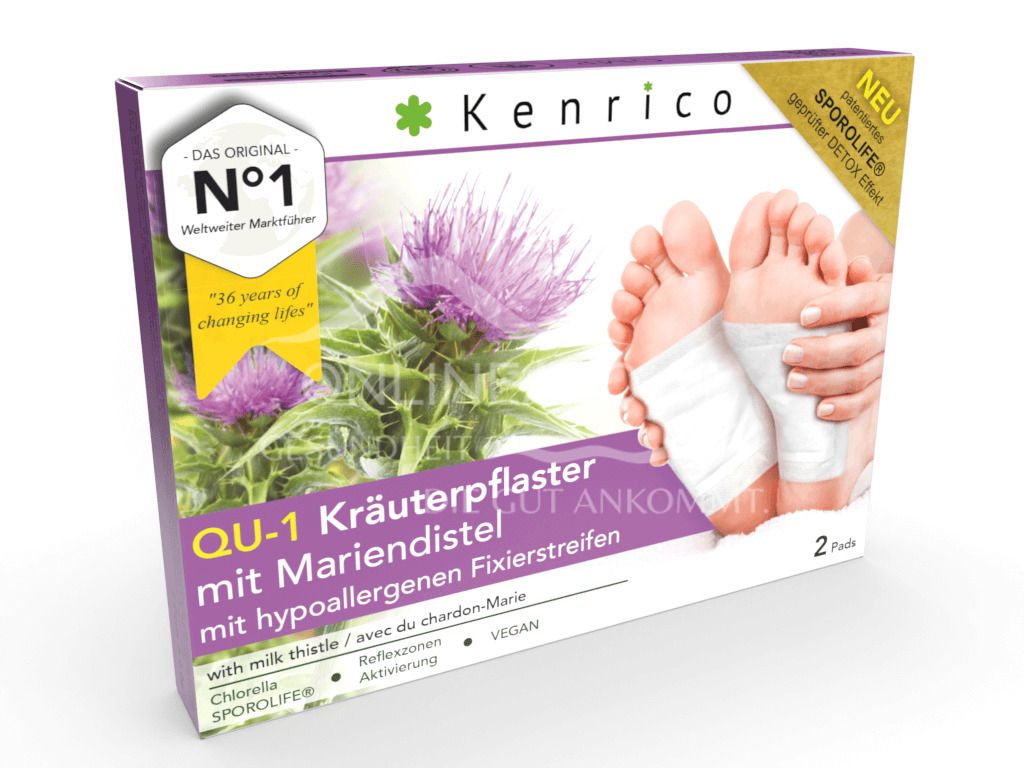
Silymarin from milk thistle supports the metabolism of the liver and promotes optimum liver function.
€7.51
(May vary by country)
1-2 weeks ³
No parcel tax applies to your order from Onlineapo.at.
Directions for use according to the manufacturer
- Silymarin (200 mg* per patch), a plant-based substance derived from milk thistle and known for its liver-strengthening properties, is said, according to studies, to promote the detoxification of this organ and to optimise liver metabolism and bile secretion.
- Milk thistle’s supportive effect is also based on the reduction of excess metabolic waste products, thereby acting as a stabilising free radical scavenger.
- Supports the regeneration of liver cells following exposure to industrial and environmental toxins, medicines, chemicals and alcohol.
*Average release into the body of 100 mg per patch
Why use milk thistle plasters?
As the body’s most important detoxification organ, the liver acts as a regulator and cleansing system for our body. For centuries in Japan, herbs have been applied as plasters to the reflex zones of the feet and have since been regarded as one of the most effective forms of treatment in traditional Japanese medicine. According to current research, the active compound silymarin is said to have liver-protecting, liver-strengthening and detoxifying properties, thereby confirming the traditional use of milk thistle as a medicinal plant to support the liver. In herbal medicine, milk thistle is used to treat: liver and gallbladder complaints, inflammatory liver diseases (viral hepatitis), liver cirrhosis, stomach and intestinal complaints, travel sickness, venous congestion, trigeminal neuralgia, disorders of the autonomic nervous system, migraine and alcohol abuse.
Milk thistle (Silybum marianum) has been used as a liver remedy for more than 2,000 years. Other names include Crown of Christ, fever thistle, thorny thistle, lady’s thistle, Mary’s grains or prickly grains. This herbaceous plant, which grows to a height of approximately 250 cm, is native to southern Europe, southern Russia, Asia Minor and North Africa. The leaves are marbled green and white and have spiny serrations. The petals are purplish-red in colour and produce seed-like fruits. Milk thistle is cultivated in fields and gardens and grows wild on rubbish tips, along roadsides, on pastureland and on dry, stony ground.
Use:
It is primarily applied overnight to the relevant reflex zones on the soles of the feet.
If a higher dose of the active ingredient is required, it may also be applied during the day.
Ingredients:
Milk thistle (Silybum marianum) 0.40 g, tourmaline (watermelon tourmaline) 0.50 g, Ubame oak wood vinegar (Quercus phillyraeoides) 1.00 g, arrow bamboo vinegar (Pseudosasa japonica) 0.50 g, cayenne pepper 0.20 g, plant fibres 0.20 g, dextrin 0.80 g, loquat (Eriobotrya japonica) 0.20 g, dokudami (Houttuynia cordata) 0.20 g, total 4.00 g.
| Alcohol-free: | Not specified |
|---|---|
| Gluten-free: | Not specified |
| Lactose-free: | Not specified |
| Perfume: | Not specified |
| Piece: | 2 |
| Sugar-free: | Not specified |
| Vegan: | Not specified |
Instructions for use
Customers also bought
Lagernd
Content: 90 Gramm
€4.60*

Auf Bestellung
Content: 100 Milliliter
from €11.90*
Auf Bestellung
Content: 150 Gramm
from €7.91*
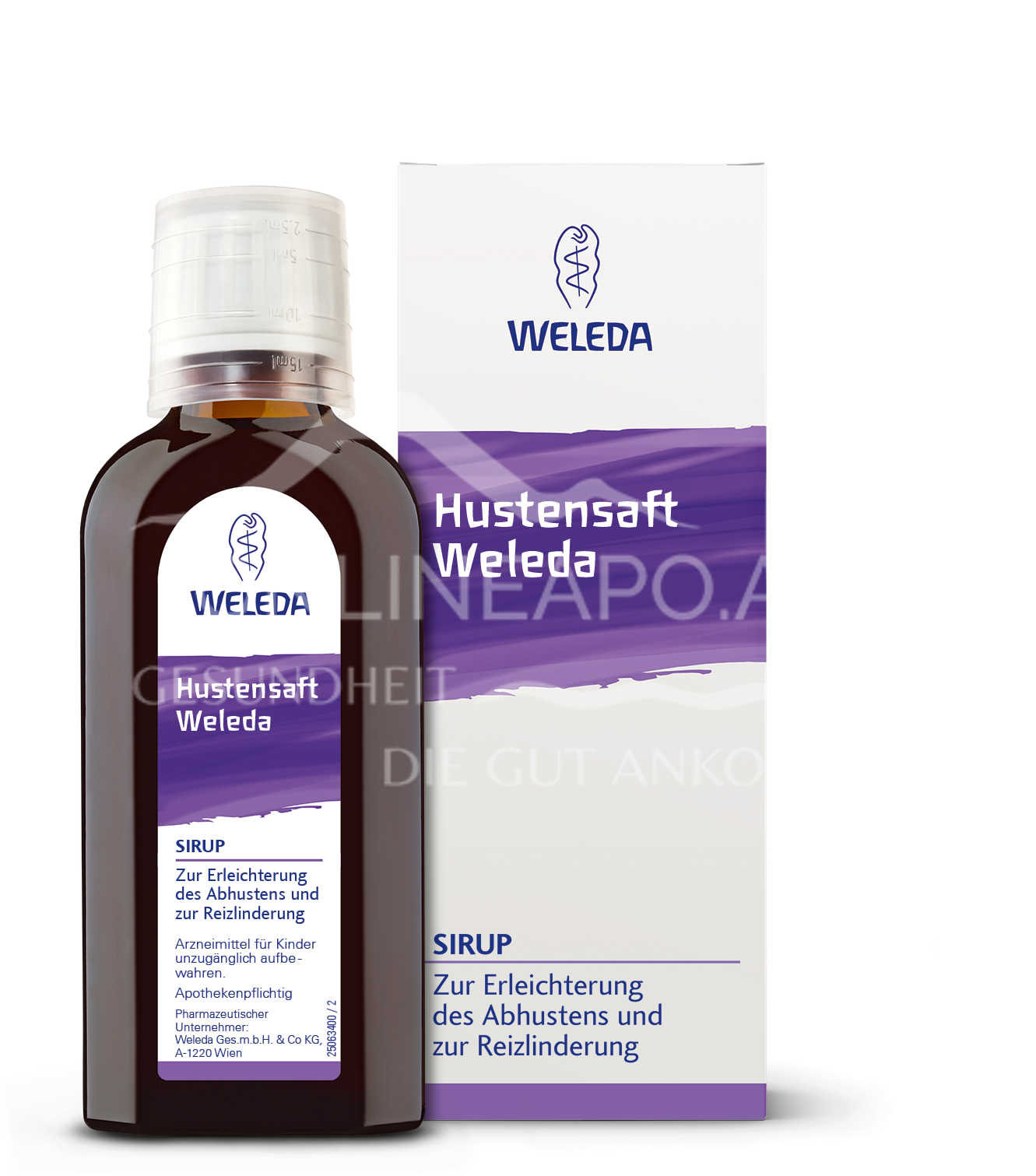
Sofort verfügbar
Content: 100 Milliliter
€13.95*
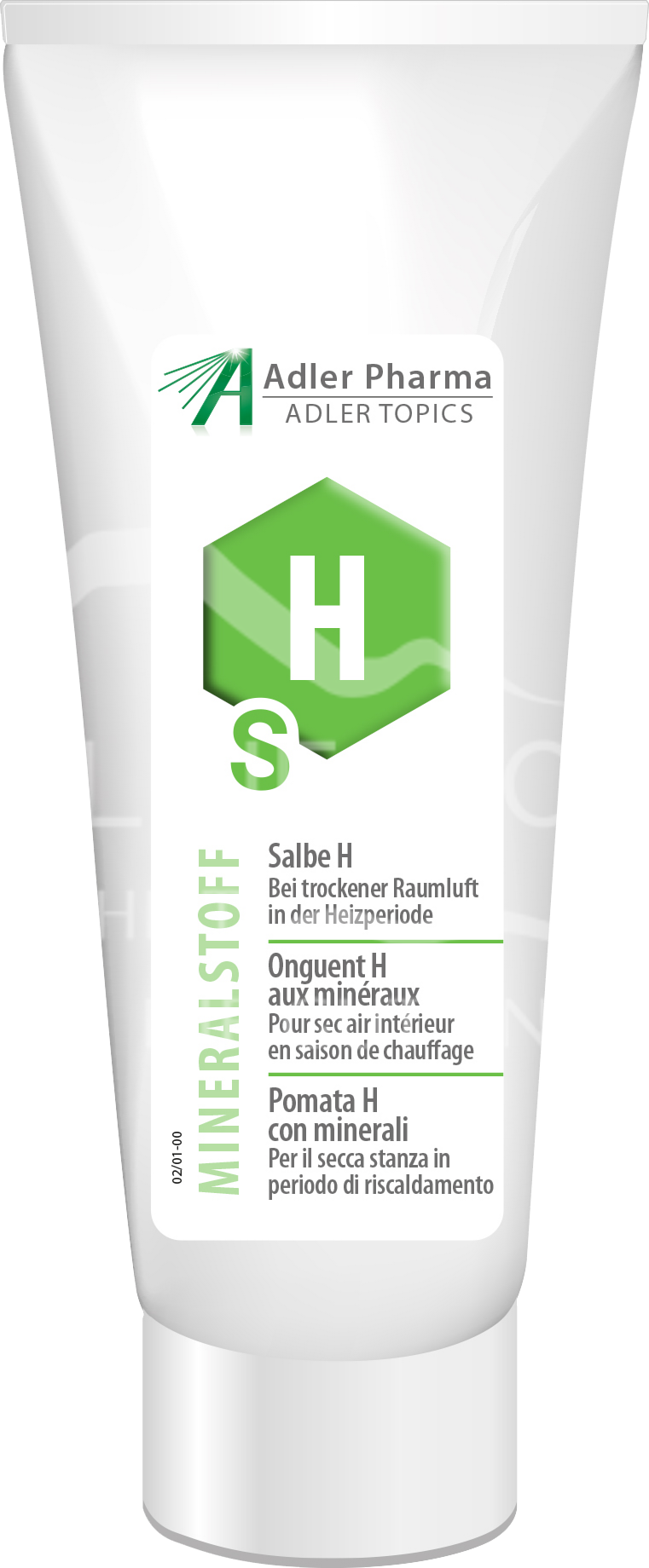
Lagernd
Content: 50 Milliliter
€9.30*
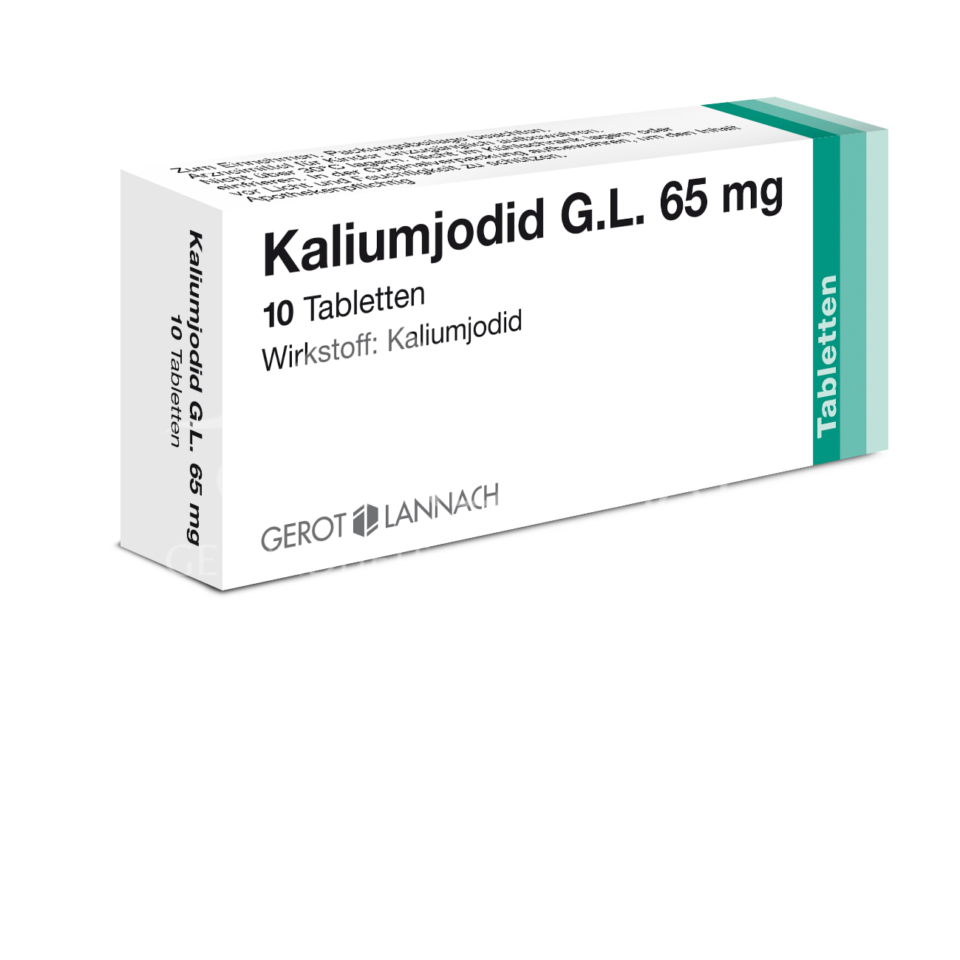
Sofort verfügbar
Content: 10 Stück
€9.30*