
Betaisodona® wound gauze 10 x 10cm, 10 ST

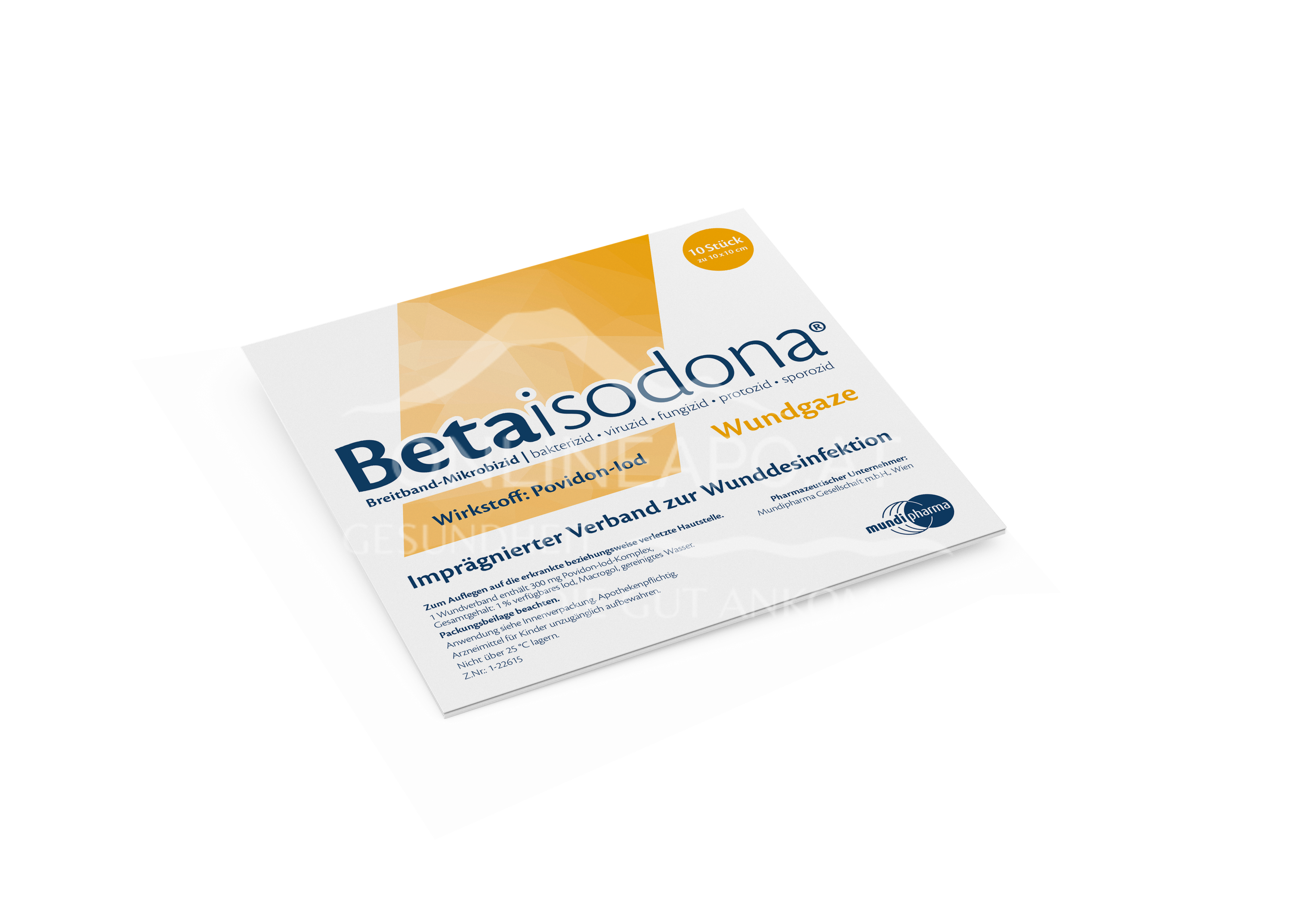
Betaisodona® Wundgaze is a germicidal medicine (antiseptic) for use on skin and wounds. Povidone-iodine has a comprehensive germicidal effect. It is effective against bacteria, fungi, spores, viruses and protozoa.
€23.35
(May vary by country)
Ready to ship in 1-3 working days ⁴
No parcel tax applies to your order from Onlineapo.at.
- Reliable disinfection largely prevents infections and favours rapid, problem-free healing.
- The development of resistance of infectious agents to povidone-iodine is not to be feared due to its mode of action.
- By binding to povidone, the iodine largely loses the irritating properties of alcoholic iodine preparations and is well tolerated by the skin, mucous membranes and wounds.
- Prevention of skin infections with a high probability of infection,
- treatment of skin infections,
- infection-inhibiting treatment of cuts, abrasions and other injuries,
- infection-inhibiting treatment of skin burns, bedsores, pressure sores and infected lower leg ulcers (decubitus ulcers, leg ulcers).
Dosage form
Application
- For application to the skin.
- Betaisodona Wundgaze is applied every time the dressing is changed. In the initial phase or in the case of heavily infected wounds, the wound gauze can also be changed several times a day.
- Take Betaisodona Wound Gauze out of its packaging, remove the protective film and place the wound gauze directly on the diseased or injured area of skin. You can cut the gauze to the size of the wound. You can apply a dressing over the gauze. Replace the gauze every time you change the dressing. In the case of heavily infected or exuding (exuding) wounds, you can also change the gauze several times a day.
- The brown colour of the ointment contained in Betaisodona Wound Gauze is a characteristic of the product and indicates its effectiveness. Increasing discolouration indicates that the product is becoming less effective. Complete discolouration means that it is no longer effective. If you notice extensive discolouration of the ointment, apply a new gauze.
- Do not use Betaisodona Wound Gauze together with other wound treatment products.
Ingredients
| Piece: | 10 |
|---|
Instructions for use
| Type of use: | Auf der Haut |
|---|---|
| Field of use: | Antiseptischer Verband zur Vorbeugung und Behandlung von Hautinfektionen bei Wunden, Verletzungen, Verbrennungen, Hautgeschwüren Dekubitus, Ulcus cruris |
| Dosage: | Wundgaze direkt auf erkrankte Hautstelle auflegen Bei stark infizierten oder sezernierenden Wunden mehrmals tgl wechseln Strenge NutzenRisiko-Abwägung durch den Arzt bei Neugeborenen und Säuglingen unter 6 Monaten |
| Properties and efficacy: | Jodhältiges Antiseptikum |
| Contraindications: | LogImport.sisx.GAD.Hyperthyreose, manifeste Schilddrüsenerkrankungen, Dermatitis herpetiformis Duhring, vor und nach Radiojod-Szintigrafie oder Radiojodtherapie bei Schilddrüsenkrebs, Anwendung zusammen mit quecksilberhaltigen Präparaten |
| Side effects: | Überempfindlichkeit, Jod-induzierte Hyperthyreose Bei großflächiger Anwendung Nierenschäden möglich |
| Special warnings for safe use: | Vorsicht bei Jodüberempfindlichkeit, Schilddrüsenerkrankungen, Neugeborenen, Säuglingen unter 6 Monaten Aus Textilien mit warmem Wasser und Seife, Ammoniak oder Fixiersalz entfernbar |
| Interactions: | Nicht mit Quecksilber, Taurolidin oder bei gleichzeitiger Lithium-Therapie anwenden Wirkungsabschwächung mit Wasserstoffperoxid, enzymatischen, silber- oder taurolidin-hältigen Antiseptika Jod-Aufnahme der Schilddrüse kann herabgeset |
| Pregnancy and breastfeeding period: | Strenge Indikationsstellung Nicht zur Langzeitgabe Schilddrüsenfunktion bei Mutter und Säugling kontrollieren Kontakt des Säuglings mit der behandelten Körperstelle vermeiden |
Pregnancy information
| Use forbidden |
|---|
| Use only if absolutely or vitally indicated |
Breastfeeding information
| Breastfeeding forbidden |
|---|
| Breastfeeding only if absolutely or vitally indicated |
Customers also bought
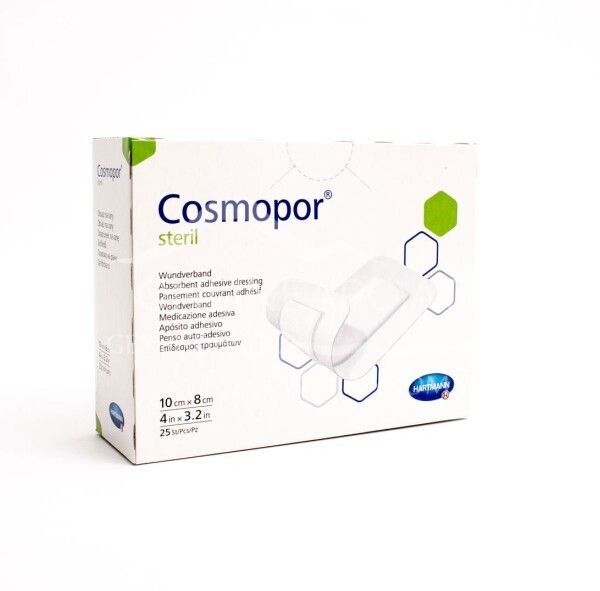
Sofort verfügbar
Content: 25 Stück
from €0.91*
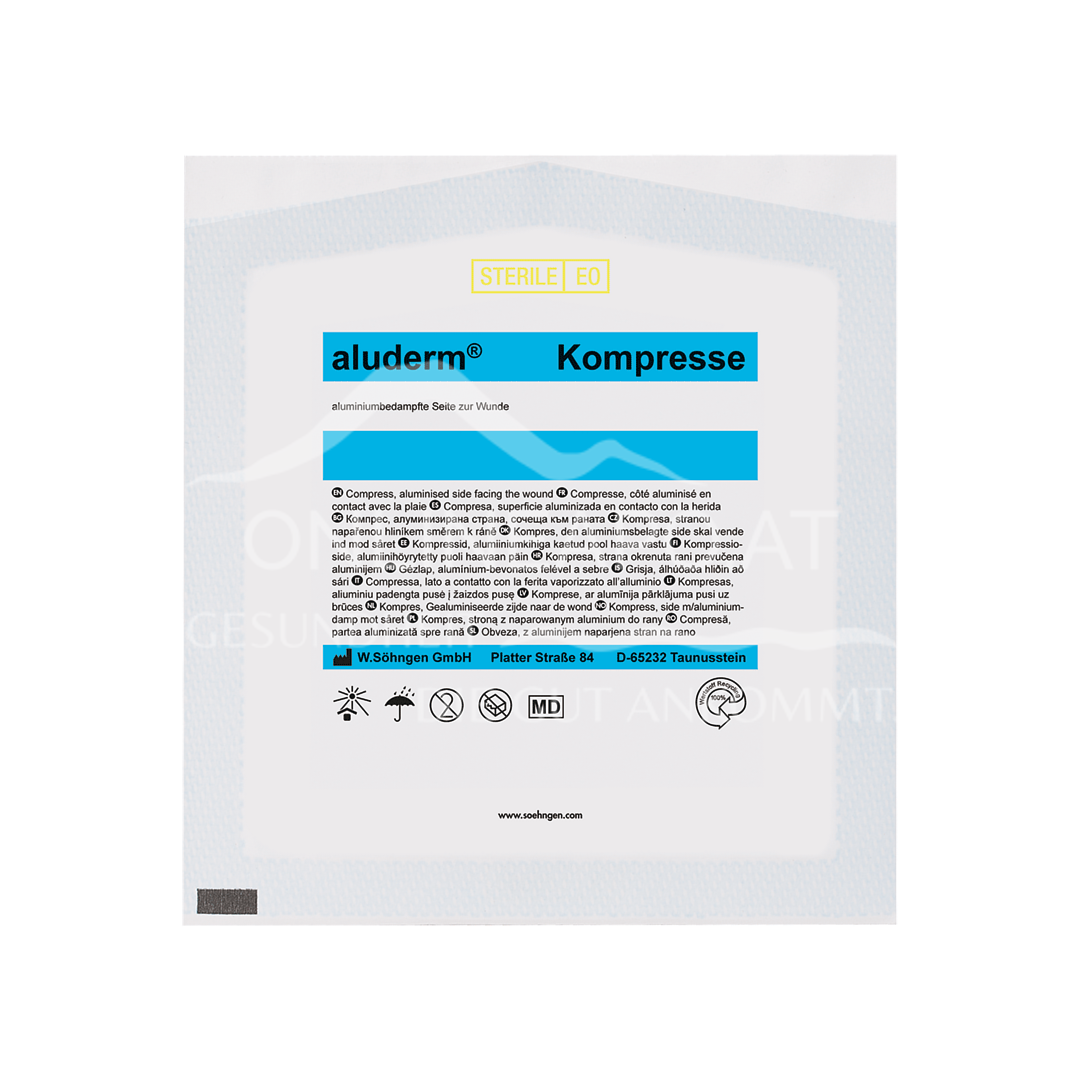
Lagernd
Content: 1 Stück
€1.80*
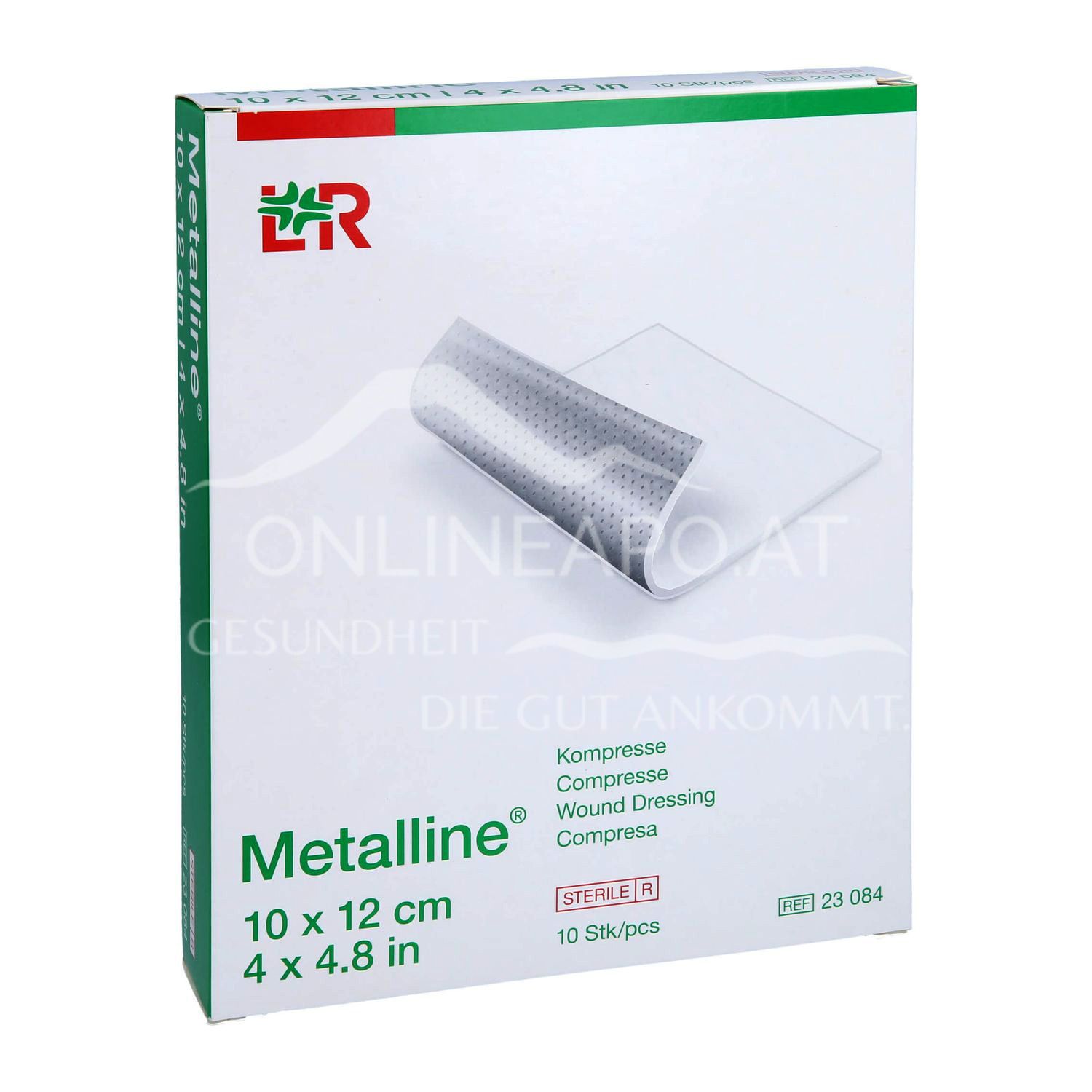
Lagernd
Content: 10 Stück
from €7.91*
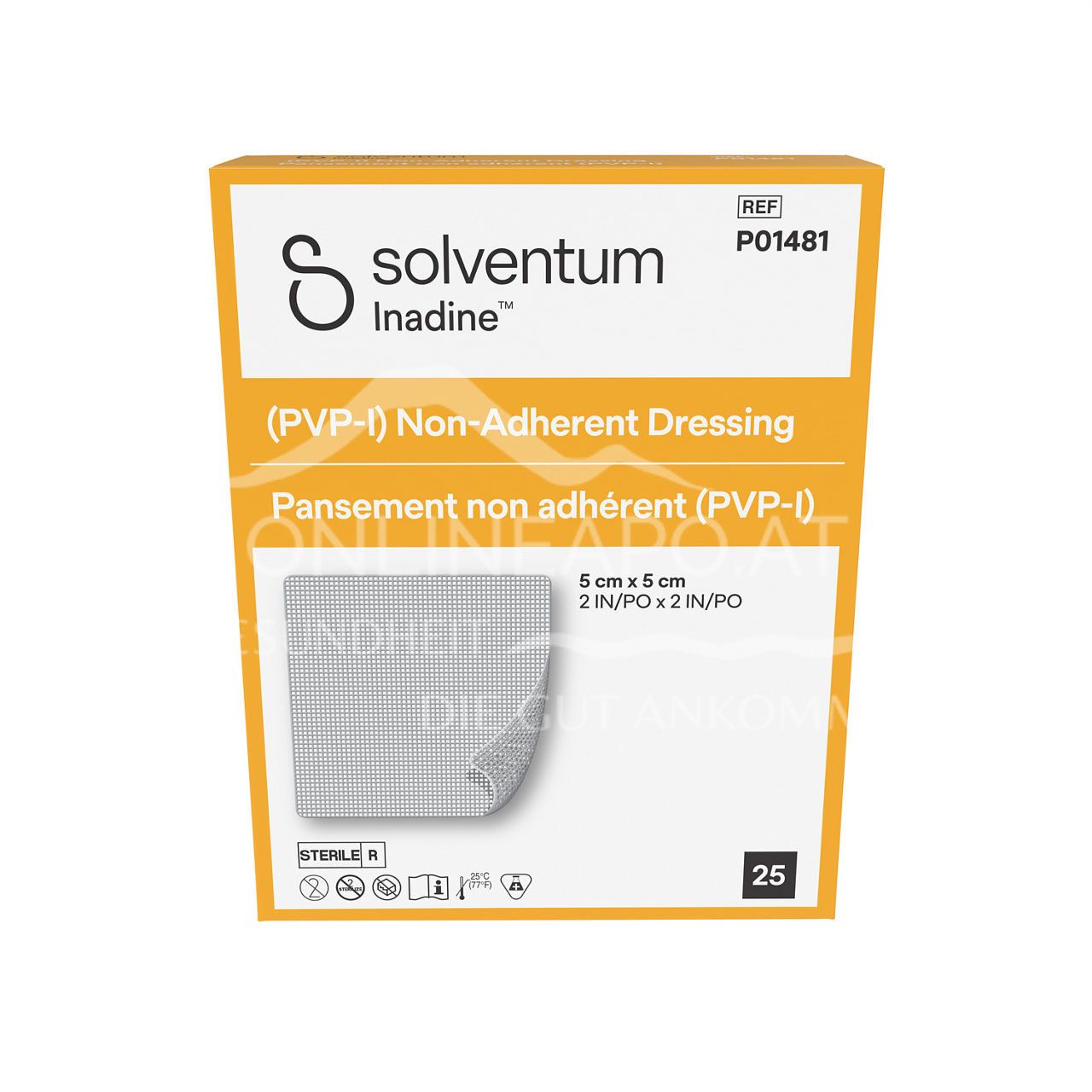
Lagernd
Content: 25 Stück
€17.44*