



Agaffin laxative gel, 100 ml

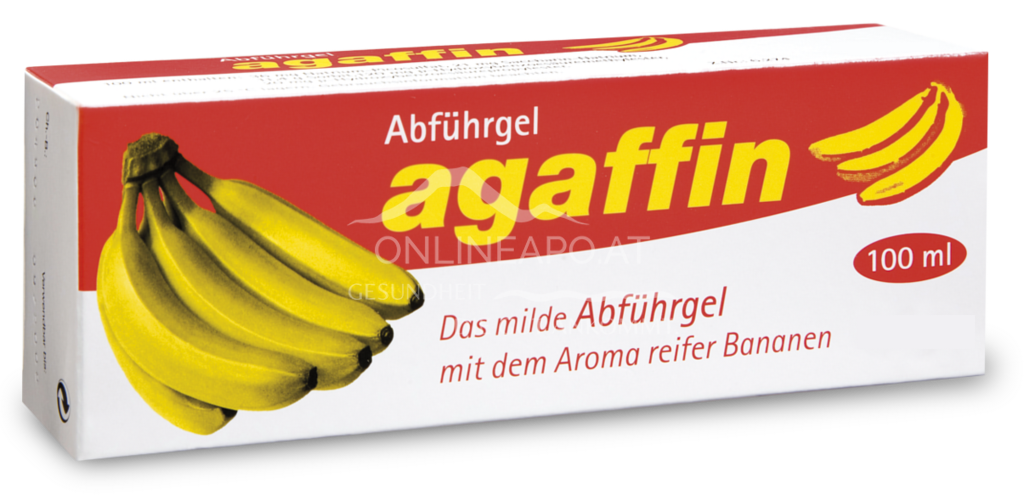
Agaffin is a laxative that gently stimulates the natural emptying process in the large intestine through contact with the intestinal mucosa
€5.50*
Prices incl. VAT plus shipping costs (Kann sich je nach Land ändern)
No longer available
1. WHAT IS AGAFFIN AND WHAT IS IT USED FOR?
Agaffin is a laxative that gently stimulates the natural emptying process in the large intestine through contact with the intestinal mucosa. Agaffin has no effect in the stomach and small intestine. You can therefore also use the medicine if you have a sensitive stomach or suffer from stomach or intestinal ulcers. Agaffin does not affect liver function or intestinal flora. Agaffin is used - to temporarily relieve constipation, especially in the case of prolonged bed rest, changes in diet, travelling, etc.; - for constipation in the case of severe general illnesses, fever, circulatory or metabolic diseases; - to facilitate defecation, e.g. in the case of haemorrhoids.to facilitate defecation, e.g. haemorrhoids, injuries around the anal area or if abdominal straining is to be avoided; - for bowel evacuation before and after operations (with the exception of operations in the abdominal cavity) and in obstetrics and gynaecology - for bowel evacuation before X-rays in the gastrointestinal area.
2. WHAT DO YOU NEED TO CONSIDER BEFORE TAKING AGAFFIN?
Agaffin must not be taken - if you are hypersensitive (allergic) to sodium picosulphate or any of the other ingredients of Agaffin; - if you suffer from intestinal obstruction; - in acute inflammatory diseases of the gastrointestinal tract; - in acute abdominal pain requiring surgical treatment, such as acute appendicitis.severe abdominal pain together with nausea and vomiting - severe loss of water from the body. Special care is required when taking Agaffin If you suffer from abdominal pain of unknown origin, nausea or vomiting, please talk to your doctor before use. Although no habituation to Agaffin has been observed to date, it should be borne in mind that regular use of laxatives can lead to a reduction in the sensitivity of the intestinal mucosa, so that the laxative effect can only be achieved by increasing the dose. Laxatives should only be taken for a short time in cases of constipation. Prolonged use of laxatives should therefore be avoided by taking suitable dietary measures, e.g. a high-fibre diet (cereal products, fruit, vegetables) and drinking sufficient amounts (2 litres per day). Any use beyond a short duration leads to an increase in intestinal sluggishness. Diarrhoea-like, watery stools can lead to abdominal pain and loss of fluids. This undesirable effect can be eliminated by reducing the dose. Prolonged or excessive use of laxatives can lead to disorders of the fluid and electrolyte balance, e.g. potassium deficiency, which can lead to renewed constipation, cardiac dysfunction, fatigue, fluid retention in the tissues and muscle weakness. You should therefore not use Agaffin on a daily basis over a longer period of time. Children over 4 years of age and adolescents should not take laxatives without a doctor's recommendation. It is not recommended for children under 4 years of age due to a lack of data. When taking Agaffin with other medicines Please tell your doctor or pharmacist if you are taking/using or have recently taken/used other medicines, even if they are non-prescription medicines. You should not take Agaffin - Laxative Gel at the same time as medicines that reduce the acidity of the stomach (neutralising stomach medicines (antacids) or medicines from the group of proton pump inhibitors). If such medicines are necessary, you should take them at least half an hour after Agaffin laxative gel.
Pregnancy and breastfeeding
Ask your doctor or pharmacist for advice before taking any medicines. There are no adequate and controlled studies on pregnant women. The animal studies did not provide any evidence of an adverse effect on pregnancy. Nevertheless, Agaffin should not be taken in the first trimester of pregnancy. In the later stages of pregnancy and during breastfeeding, the preparation should only be taken as prescribed by a doctor. Ability to drive and use machines Agaffin has no or negligible influence on the ability to drive and use machines.
Important information about certain other ingredients of Agaffin
This medicine contains sorbitol. Please only take Agaffin - Laxative Gel after consulting your doctor if you are known to suffer from a sugar intolerance. The calorie value is 2.6 kcal/g sorbitol. Methyl 4-hydroxybenzoate and propyl 4-hydroxybenzoate (preservatives) can cause hypersensitivity reactions, including delayed reactions.
3. HOW SHOULD AGAFFIN BE TAKEN?
Always take Agaffin laxative gel exactly as directed by your doctor. Please ask your doctor or pharmacist if you are unsure. Unless otherwise prescribed by a doctor, the usual dose is: Dosage Adults: 8-16 ml (= 1 to 2 measuring spoons up to the upper mark) Children from the age of 4 and adolescents: 5-10 ml (= 1 to 2 measuring spoons up to the middle mark). Not suitable for children under 4 years of age. It is advisable to start treatment with the higher dosage indicated and then reduce this dose depending on the stool consistency achieved and desired. Method of administration Agaffin is best taken in the evening before going to bed, as the laxative effect occurs after an average of 6-10 hours. The enclosed measuring spoon facilitates dosing and holds 3 ml to the lower, 5 ml to the middle and 8 ml to the upper mark. Duration of use Prolonged use should be avoided. The need for continued use should be reviewed after one week and the required duration of use determined on a case-by-case basis.
If you have taken more Agaffin than you should If you have accidentally taken more than the prescribed dose, please contact a doctor. He will decide on any necessary measures. An overdose is characterised by severe diarrhoea, abdominal pain and flatulence. The resulting loss of water and minerals can lead to cardiac dysfunction, muscle weakness and muscle cramps. Chronic abuse of laxatives leads above all to potassium deficiency and disorders of food utilisation. If you have forgotten to take Agaffin Do not take a double dose if you have forgotten to take it once. Continue taking it at the next time. If you stop taking Agaffin Agaffin - Laxative Gel is only taken when needed and should be discontinued after the symptoms have subsided. If you have any further questions about the use of the medicine, ask your doctor or pharmacist.
4. WHAT SIDE EFFECTS ARE POSSIBLE?
Like all medicines, Agaffin can cause side effects, although not everybody gets them. Please tell your doctor or pharmacist if any of the side effects listed significantly affect you or if you notice any side effects that are not listed in this leaflet. The following categorisation was used to describe the frequency of side effects: Rare: Affects 1 to 10 treated persons in 10,000 Very rare: Affects less than 1 treated person in 10,000 The following side effects may occur with short-term use at the recommended dosage: Diseases of the gastrointestinal tract Rare: Abdominal discomfort (e.g. flatulence, abdominal pain, abdominal cramps and diarrhoea) Diseases of the immune system Very rare: Hypersensitivity reactions Prolonged or high-dose use can lead to dehydration and deficiency of potassium, rarely calcium and magnesium. This can lead to loss of appetite, oedema (tendency to accumulate water in the legs), tiredness, muscle weakness or cardiac dysfunction, especially if dehydrating agents and hormones of the adrenal cortex (cortisone) are taken at the same time. Any use of Agaffin - Laxative Gel for longer than a short period of time will lead to an increase in intestinal sluggishness. Agaffin - Laxative Gel should therefore only be used for short periods.
5. HOW SHOULD AGAFFIN BE STORED?
Keep the medicine out of the reach of children. Do not store above 25°C. Shake before use. Do not use the medicine after the expiry date which is stated on the carton, sachet or bottle. Do not use for longer than 2 weeks (aluminium tube) or 8 weeks (plastic bottle) after opening the container.
6. FURTHER INFORMATION
What Agaffin contains:
The active substance is: Sodium picosulphate. 100 ml contain 36 mg sodium picosulphate.
The other ingredients are: Sorbitol, hydroxyethyl cellulose, citric acid, titanium dioxide, saccharin sodium, potassium sorbate, methyl 4-hydroxybenzoate, propyl 4-hydroxybenzoate, banana flavouring, purified water.
What Agaffin looks like and contents of the pack:
Agaffin is a milky white, viscous liquid with banana flavouring and a sweetish taste. Agaffin is available in 100 ml aluminium tubes with a polyethylene screw cap and measuring spoon and in 500 ml polyethylene plastic bottles with a polypropylene screw cap and measuring spoon.
| Größe: | Keine Angabe |
|---|---|
| ML: | 100 |
| Alkoholfrei: | Keine Angabe |
| Diabetiker: | Keine Angabe |
| Farbe: | Keine Angabe |
| Fruktosefrei: | Keine Angabe |
| Geschmack: | Keine Angabe |
| Glutenfrei: | Keine Angabe |
| Laktosefrei: | Keine Angabe |
| Nahrungsergänzung: | Keine Angabe |
| Parfum: | Keine Angabe |
| Vegan: | Keine Angabe |
| Vegetarier: | Keine Angabe |
| Zuckerfrei: | Keine Angabe |
Anwendungshinweise
| Art der Anwendung: | LogImport.sisx.AAD.Abends vor dem Schlafengehen einnehmen Messlöffel mit Markierungen für 358 ml |
|---|---|
| Anwendungsgebiet: | LogImport.sisx.AGD.Obstipation, Darmentleerung |
| Dosierung: | LogImport.sisx.DOD.Erwachsene 8-16 ml Kinder ab 4 Jahren und Jugendliche 5-10 ml |
| Eigenschaften und Wirksamkeit: | LogImport.sisx.EWD.Laxans |
| Gegenanzeigen: | LogImport.sisx.GAD.FructoseSorbit-Intoleranz, Ileus, akute Bauchschmerzen, schwere Dehydratation |
| Nebenwirkungen: | LogImport.sisx.NWD.Bauchschmerzen, bei Missbrauch Wasser- und Elektrolytverluste Kalium |
| Besondere Warnhinweise zur sicheren Anwendung: | LogImport.sisx.WHD.Nur kurzzeitig anwenden Bei unklarem Abdomen, Nausea oder Emesis andere Erkrankungsursachen ausschließen |
| Wechselwirkungen: | LogImport.sisx.WWD.Milch, Antazida, Protonenpumpenhemmer 30 min Abstand, Diuretika, Herzglykoside, Antibiotika |
| Schwangerschaft und Stillperiode: | LogImport.sisx.SSTD.Im 1 Trimenon und in der Stillzeit nicht empfohlen |
Schwangerschaftshinweise
| Anwendung verboten |
|---|
Stillzeithinweise
| Stillen erlaubt |
|---|
Piktogramme
| Vorsicht Diabetiker |
|---|
Cutsomers also bought
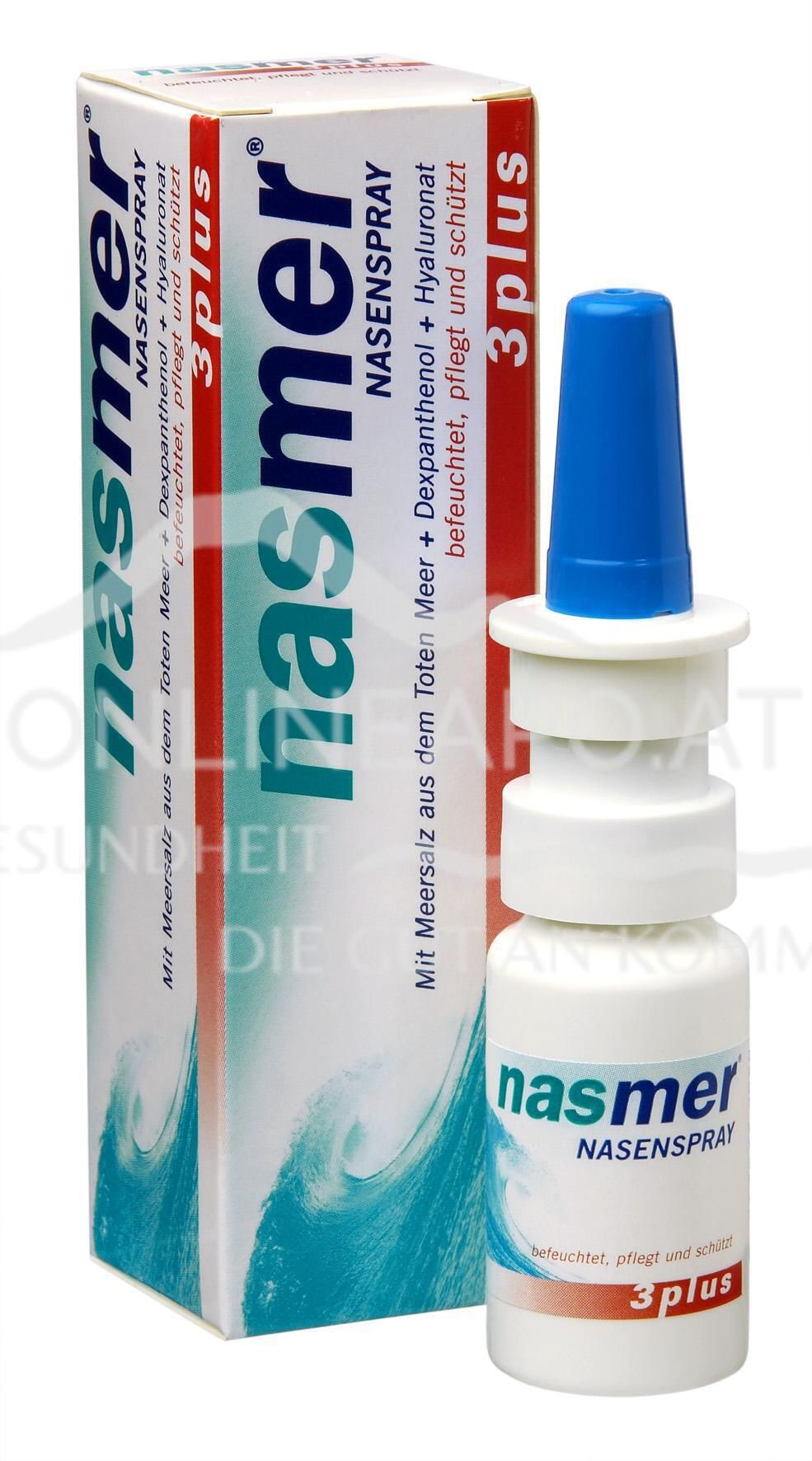
Content: 15 Milliliter
€10.50*
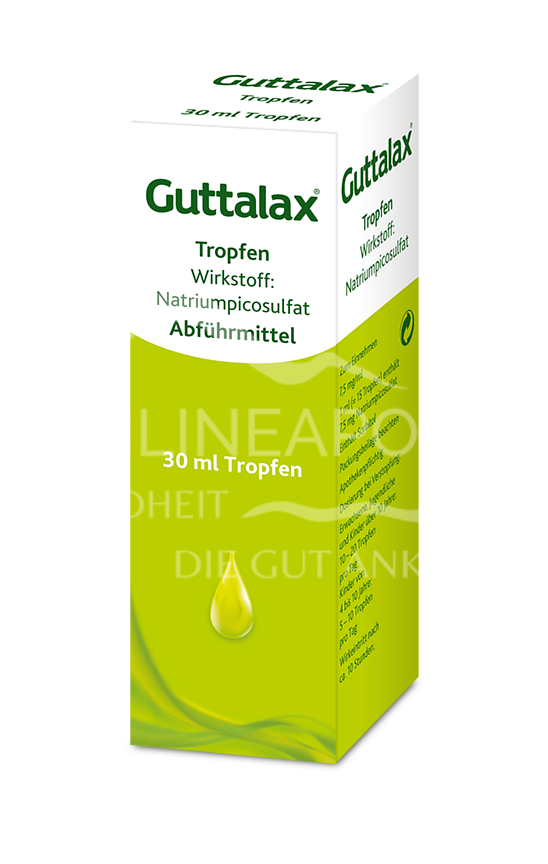
Content: 30 Milliliter
ab €8.45*
Content: 12 Stück
ab €7.75*
Content: 6 Stück
ab €9.95*
Content: 500 Milliliter
€20.25* €22.50*