
Vitactiv® Zinc 30 capsules, 60 ST

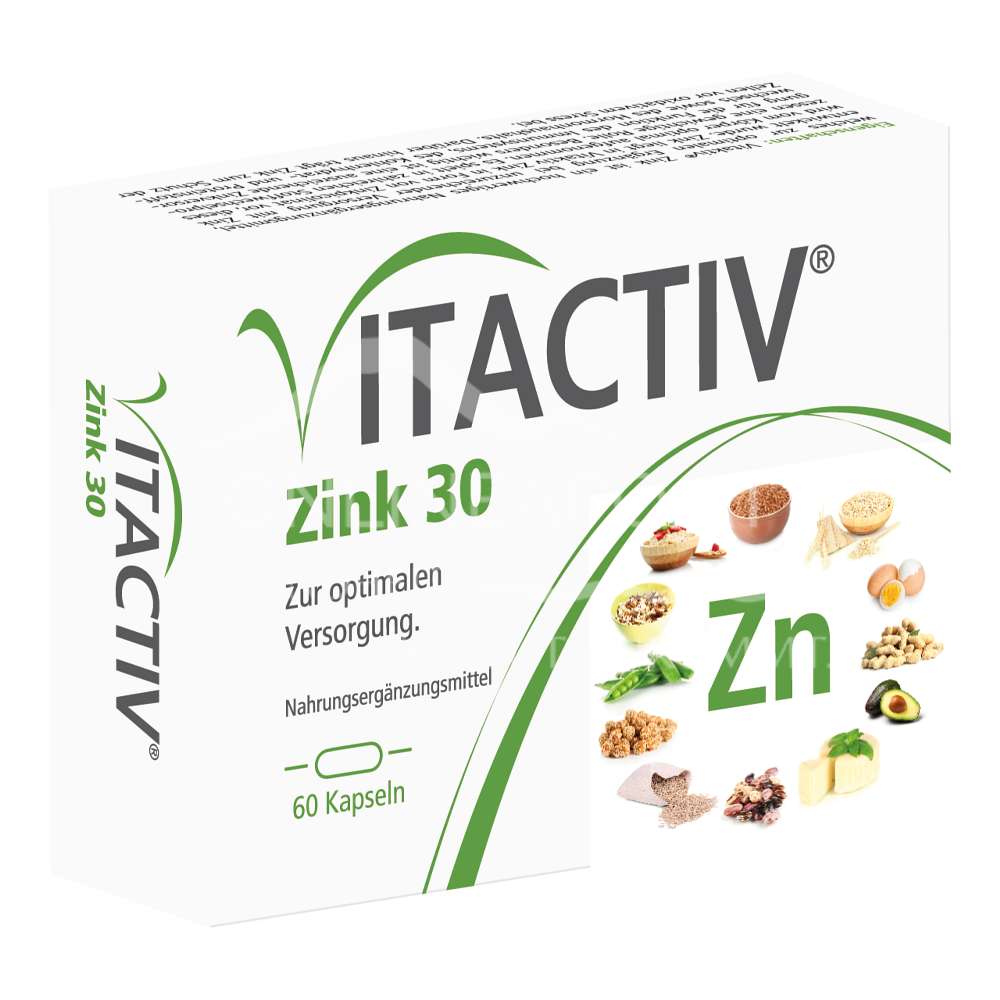
Vitactiv® Zink 30 capsules are a high-quality dietary supplement for optimum support of the zinc supply.
€13.90
(May vary by country)
Ready to ship in 1-3 working days ⁴
No parcel tax applies to your order from Onlineapo.at.
- Zinc is a central component of 150 enzymes in the human body.
- Zinc is found in animal and plant foods and is essential for humans.
- Zinc has an extensive influence on the processes of the immune system and thus contributes to its normal function.
- Zinc has a regulating function in energy and macronutrient metabolism.
- Let's look at the natural sources of zinc. It is mainly found in red meat, liver, cheese, mussels and cow's milk. If you follow a vegetarian or vegan diet, these natural sources are out of the question for you. In addition, zinc is of course also found in plant foods such as lentils, oatmeal, bananas, peanuts, broccoli and wheat bran, for example.
- The contribution of a food to the zinc supply depends less on its zinc content than on the amount that is available to the organism unchanged after ingestion. In the case of zinc, there are many factors or ingredients that inhibit the absorption of zinc into the human body. These inhibitors include phytic acid (found in legumes and cereals), phosphate, certain fibre fractions (cellulose and lignin), casein (a protein component of milk) and large amounts of iron, copper and calcium.
- On the other hand, there are also ingredients that make zinc more readily available. These include histidine and cysteine (amino acids), peptides, organic acids and inulin. It has been scientifically proven that zinc is absorbed less effectively from plant-based foods than from animal-based foods.
- Zinc is one of the essential trace elements for the human body, which means that it must be taken in with food, as humans cannot produce it themselves. Zinc plays an important role in almost all metabolic processes and is always a component of one or more enzymes (enzymes are biological catalysers that accelerate reactions). Without these enzymes, the metabolic process can proceed poorly or not at all. 150 enzymes that contain zinc are known to date.
- The presence of zinc therefore influences the body's metabolic performance. Zinc contributes to normal carbohydrate metabolism, acid-base balance, fatty acid and vitamin A metabolism. It contributes to the maintenance of normal cognitive functions, protein synthesis and the function of the immune system. In addition, zinc has a major influence on the health of hair, bones, skin and nails, as well as playing an important role in testosterone balance.
- Scientific research shows the various tasks that zinc has within the regulation of the immune system. Zinc is absolutely essential in the human body for basic processes such as cell growth, cell differentiation and their survival.
- These processes are particularly important in the immune system, as there are a large number of cell types that fulfil different functions. A zinc deficiency therefore hits the immune system particularly hard. Zinc is found in almost all cell types of the immune system, such as monocytes/macrophages, T and B cells and natural killer cells. Monocytes, for example, circulate in the blood and one of their tasks is to destroy foreign structures by eating them up. T and B cells are part of the acquired immune response and migrate through the organism and monitor the cell surface for pathological changes. The natural killer cells are part of the innate cellular make-up of the immune system and they are able to detect abnormal cells and destroy them.
- Not only does zinc occur in all of these cells, it also fulfils different, sometimes complex functions. Researchers speak of a zinc cascade that influences the immune system in its entirety, as zinc influences the maturation, differentiation, function and survival of immune cells.
Dosage form
How to use
- Due to the properties of zinc, Vitactiv® Zinc is best taken on an empty stomach and approx. 1 hour after eating.
- It is recommended to take 1 capsule daily unchewed and with plenty of liquid.
Ingredients
| Piece: | 60 |
|---|
Instructions for use
Customers also bought
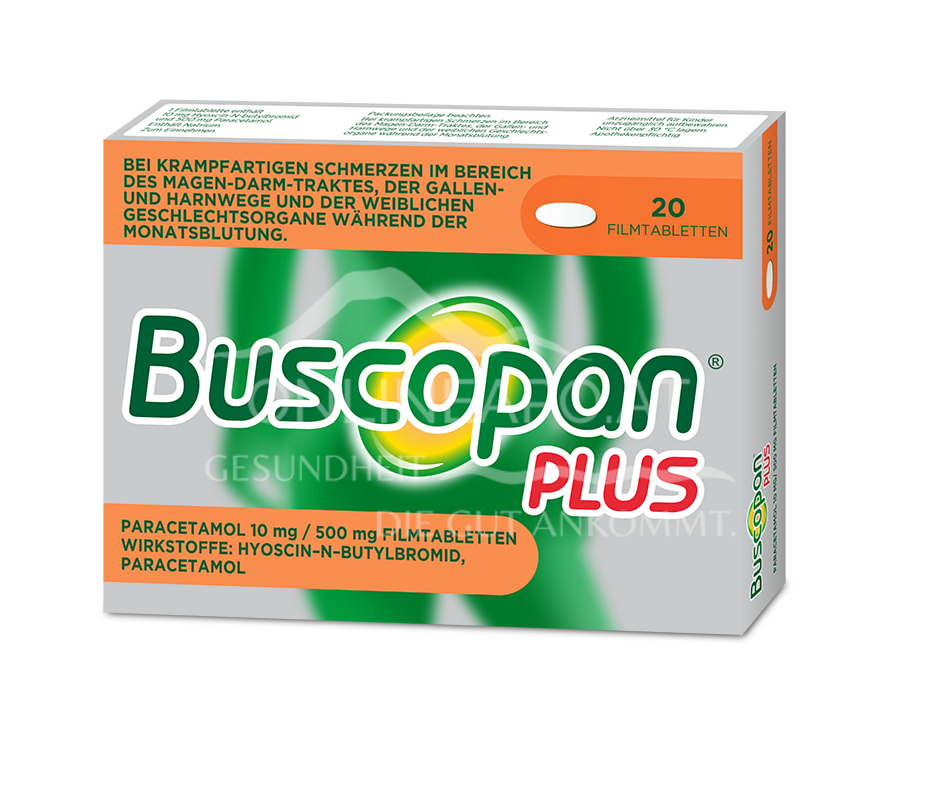
Sofort verfügbar
Content: 20 Stück
€15.90*
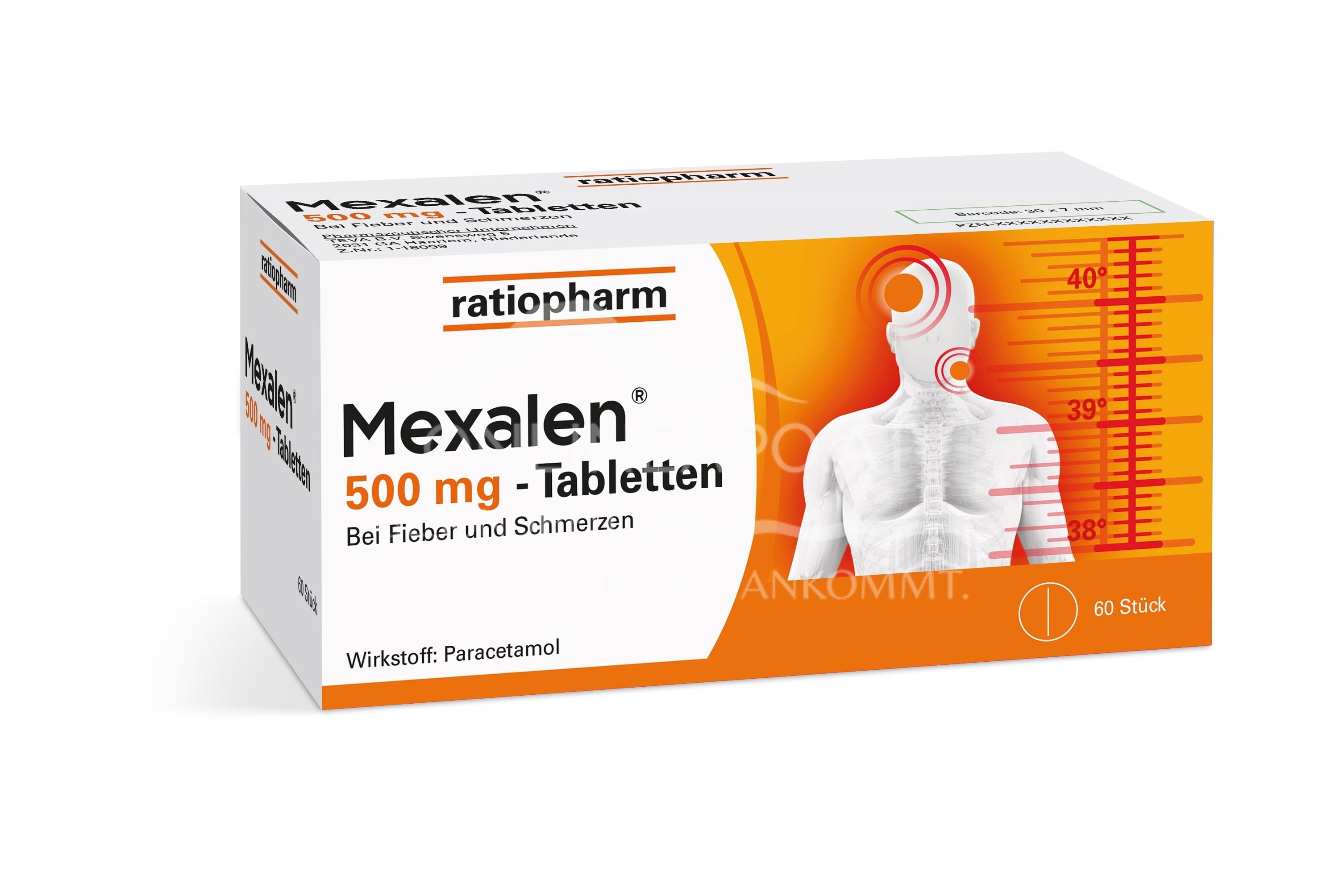
Sofort verfügbar
Content: 60 Stück
from €5.01* €11.90*
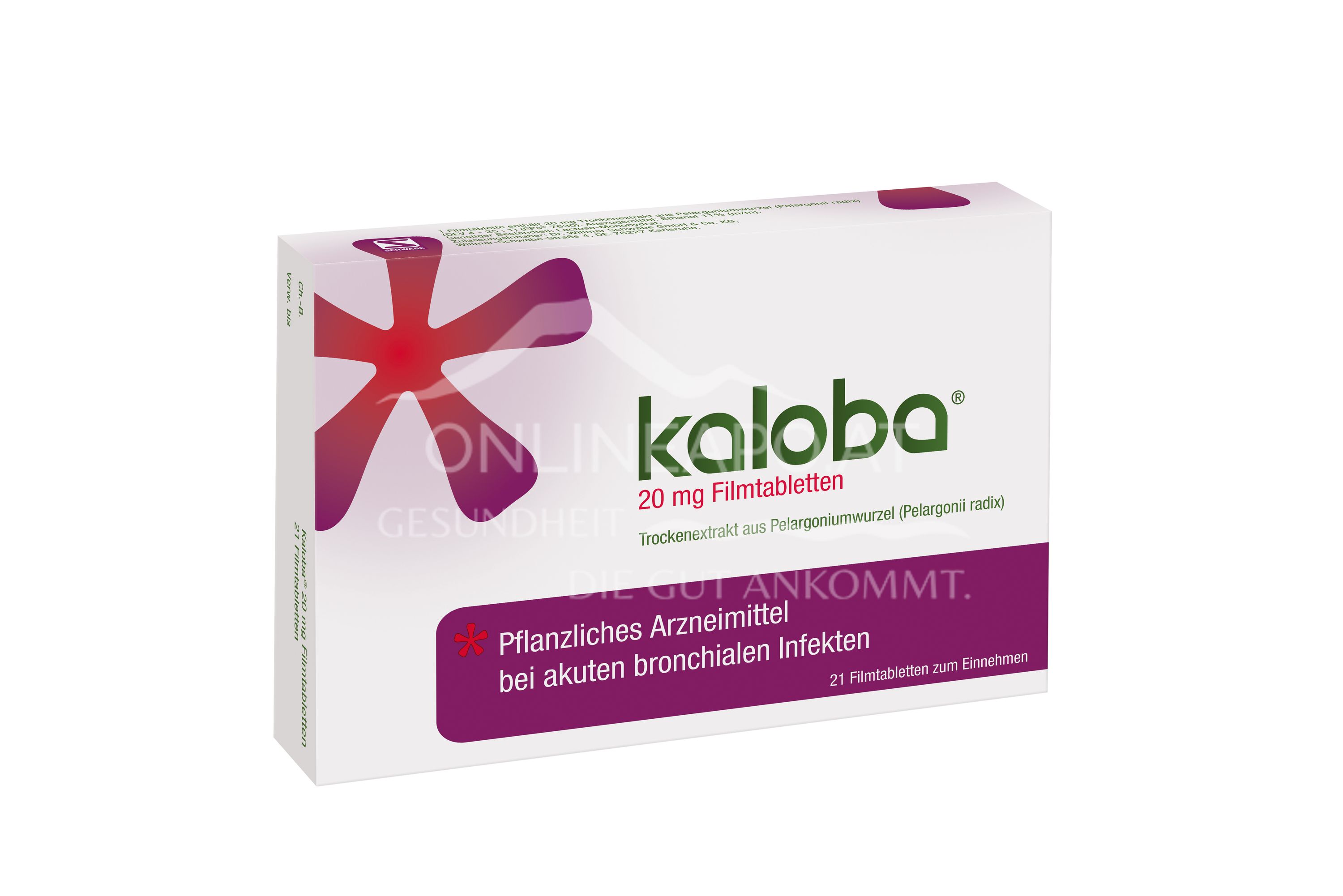
Lagernd
Content: 21 Stück
from €13.05* €14.50*