
SABE sana base powder, 150 G

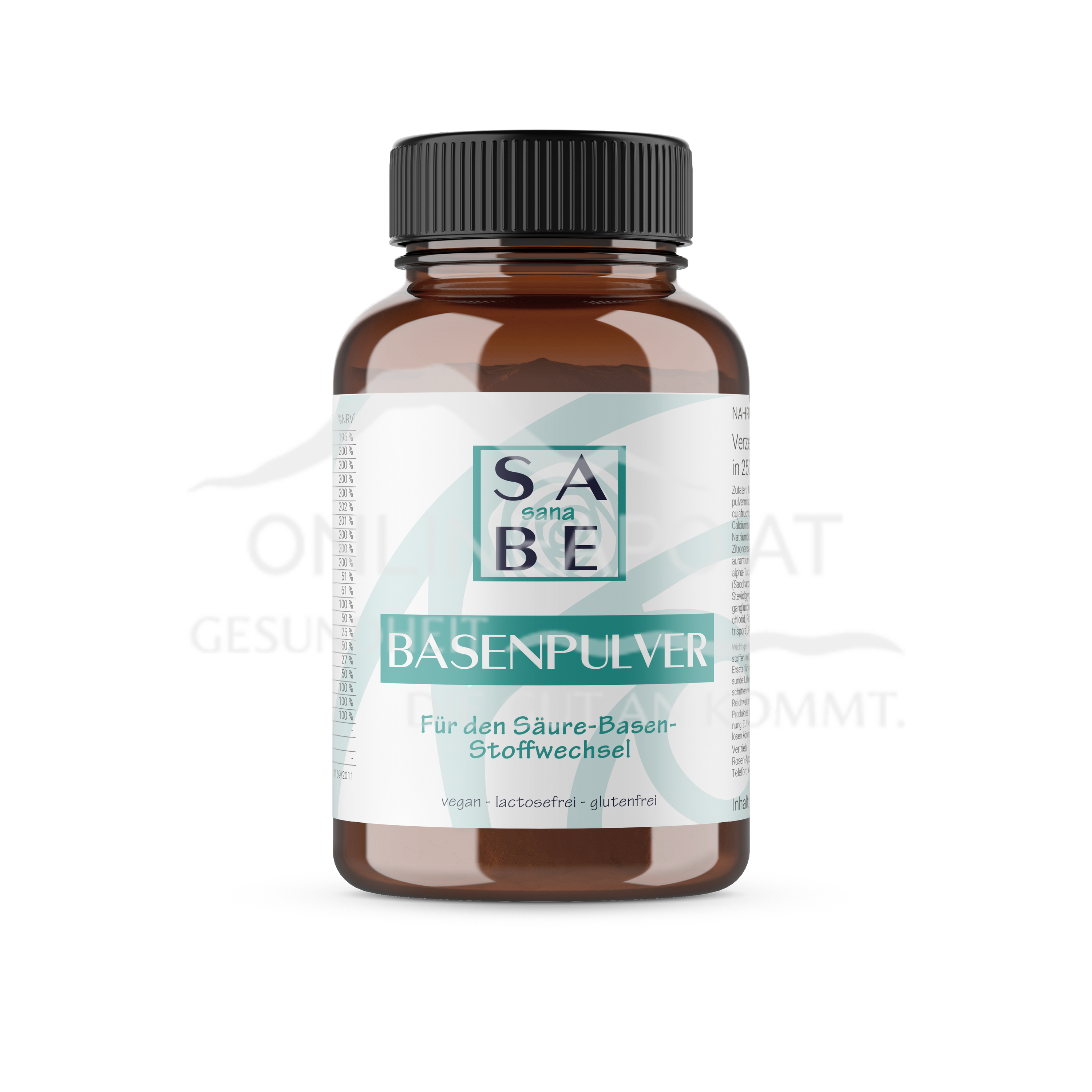

SABE sana alkaline powders are a dietary supplement to support the acid-base balance. Our alkaline powder brings your acid-base metabolism back into balance and thus supports your well-being.
€17.50
(May vary by country)
Available, delivery time: 1-3 days ⁴
No parcel tax applies to your order from Onlineapo.at.
SABE sana alkaline powders are a dietary supplement to support the acid-base balance. Our alkalising powder brings your acid-base metabolism back into balance and thus supports your well-being.
From a biological point of view, our body is alkaline in structure: We consist of 80 % bases and only 20 % acids. The acid-base balance in the body is in itself well balanced, but the balance can be severely disturbed by poor eating habits or one-sided diets, stress, nicotine and excessive alcohol consumption. Excessive meat consumption or crash diets lead to a veritable acid storm in the body, which it has to cope with.
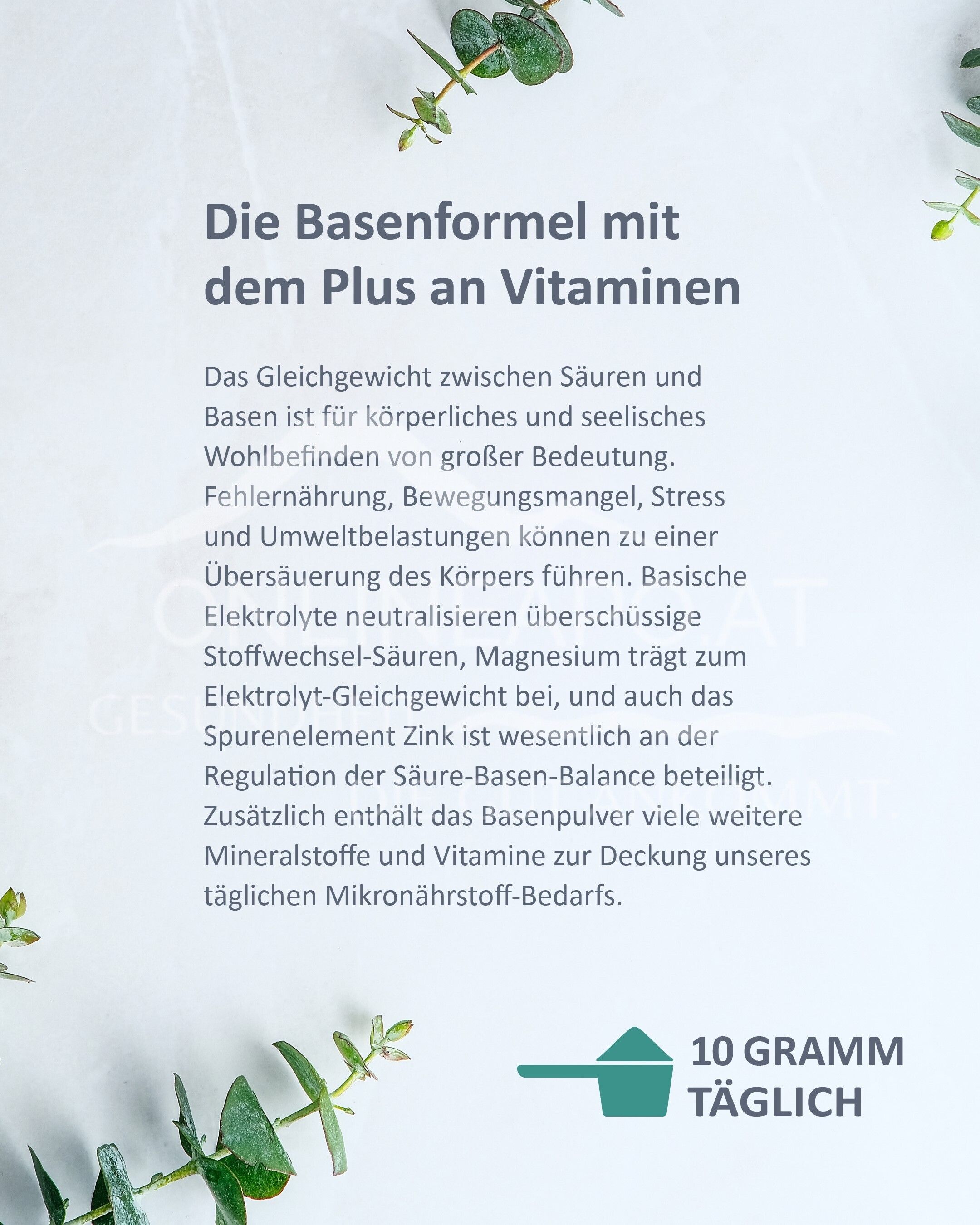
The balance between acids and bases is important for physical and mental well-being. Malnutrition, lack of exercise, stress and environmental pollution can lead to hyperacidity in the body. Alkaline electrolytes neutralise excess metabolic acids, magnesium contributes to the electrolyte balance and zinc supports the acid-base metabolism.
Product benefits of SABE sana alkaline powder
- Alkaline electrolytes counteract hyperacidity
- Can promote physical and mental well-being
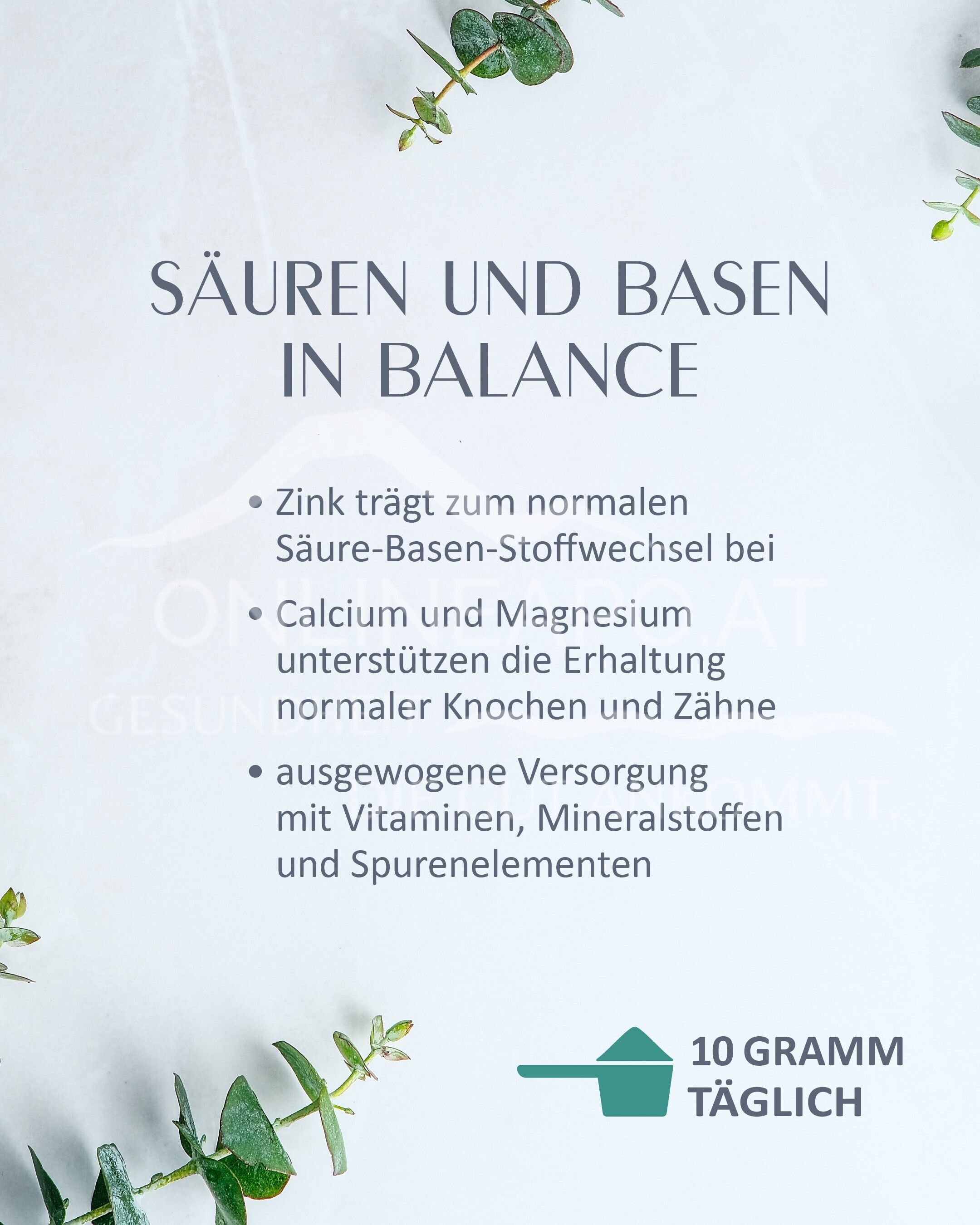
- Zinc contributes to normal acid-base metabolism
- Balanced supply of vitamins, minerals and trace elements
Active ingredients
Calcium
- Contributes to normal energy metabolism
- Contributes to normal muscle function and to the maintenance of normal bones and teeth
- Contributes to normal blood clotting
- has a function in cell division and specialisation
- contributes to normal signalling between nerve cells
- contributes to the normal function of digestive enzymes
Potassium
- contributes to the normal function of the nervous system and muscles
- contributes to the maintenance of normal blood pressure
Magnesium
- contributes to normal energy metabolism
- contributes to the reduction of tiredness and fatigue
- contributes to the normal function of the nervous system and the psyche
- contributes to normal muscle function and the maintenance of normal bones and teeth
- contributes to normal protein synthesis
- contributes to normal electrolyte balance
- has a function in cell division
Vitamin B1, B2, niacin, pantothenic acid, vitamin B6, biotin and vitamin B12
- contribute to normal energy metabolism
Vitamin B1, B2, niacin, vitamin B6, biotin and vitamin B12
- contribute to the normal function of the nervous system
Vitamin B1, niacin, vitamin B6, biotin, folic acid and vitamin B12
- contribute to the normal function of the psyche
Vitamin B2, niacin, pantothenic acid, vitamin B6, folic acid and vitamin B12
- contribute to the reduction of tiredness and fatigue
Vitamin B2, niacin and biotin
- contribute to the maintenance of normal skin and mucous membranes
Vitamin B6, folic acid and vitamin B12
- contribute to the normal function of the immune system
- contribute to normal homocysteine metabolism
Vitamin C
- contributes to normal energy metabolism
- contributes to the normal function of the immune system, also during and after
- after intensive physical activity
- helps to protect cells from oxidative stress
- helps to regenerate the reduced form of vitamin E
- contributes to normal collagen formation for normal function of the skin, bones, cartilage, blood vessels, teeth and gums
- contributes to the reduction of tiredness and fatigue and
- increases the absorption of iron
- contributes to the normal function of the nervous system and the psyche
Vitamin D
- contributes to the normal function of the immune system
- contributes to the normal function of muscles and to the maintenance of normal bones and teeth
- contributes to the normal absorption/utilisation of calcium and phosphorus and to normal blood calcium levels
- has a function in cell division
Vitamin K
- contributes to the maintenance of normal bones
- contributes to normal blood clotting
Zinc
- contributes to the normal function of the immune system
- helps to protect the cells from oxidative stress
- contributes to normal fatty acid and carbohydrate metabolism and normal protein synthesis
- contributes to the normal metabolism of macronutrients
- contributes to the maintenance of normal skin, hair, nails, bones and vision
- contributes to normal vitamin A and acid-base metabolism
- contributes to normal cognitive function
- contributes to normal DNA synthesis and has a function in cell division
- contributes to normal fertility and reproduction and to the maintenance of normal testosterone levels in the blood
Iron
- contributes to normal energy metabolism
- contributes to the reduction of tiredness and fatigue
- Contributes to the normal function of the immune system
- Contributes to normal cognitive function
- contributes to the normal formation of red blood cells and haemoglobin
- contributes to normal oxygen transport in the body
- has a function in cell division
Chromium
- contributes to the normal metabolism of macronutrients
- contributes to the maintenance of normal blood sugar levels
Copper
- helps to protect cells from oxidative stress
- contributes to normal iron transport in the body
- contributes to normal energy metabolism
- contributes to the normal function of the nervous and immune system
- contributes to normal skin and hair pigmentation
- contributes to the maintenance of normal connective tissue
Molybdenum
- contributes to the normal metabolism of sulphur-containing amino acids
Manganese
- contributes to normal energy metabolism
- contributes to normal connective tissue formation
- contributes to the maintenance of normal bones
- helps to protect cells from oxidative stress
Selenium
- contributes to the normal function of the immune system
- helps to protect cells from oxidative stress
- contributes to the maintenance of normal hair and nails
- contributes to normal thyroid function and normal sperm formation
Citrus bioflavonoids
- Collective term for various types of flavonoids found in citrus fruits, mainly in the peel (i.e. hesperidin, rutin, naringin and quercitrin)
- contribute to the colour, smell and taste of the fruit
- powerful antioxidants: act synergistically with vitamin C and can protect it from oxidation; "natural vitamin savers" or "vitamin boosters"
Beta carotene
- plant-based vitamin A precursor (provitamin A)
- contained in carrots, peppers, spinach, pumpkin, apricots, peaches, etc.
- antioxidant properties
Further information: Our body's own pH value is exactly between 7.35 and 7.45 and therefore in the slightly alkaline range. Our body can regulate the acid-base balance quickly and efficiently via the respiratory system, kidneys and blood and use it as a buffer zone. Another important buffer is our connective tissue, which stores excess acid and renders it harmless. From a medical point of view, it is still controversial whether chronic hyperacidity actually has an effect on other diseases, but it is assumed that many complaints are favoured by hyperacidity.
What favours hyperacidity:Smoking, stress, too little fluid intake and some medications promote hyperacidity. A targeted diet with plenty of fruit and vegetables relieves the organism.
Dosage form
powder
How to use
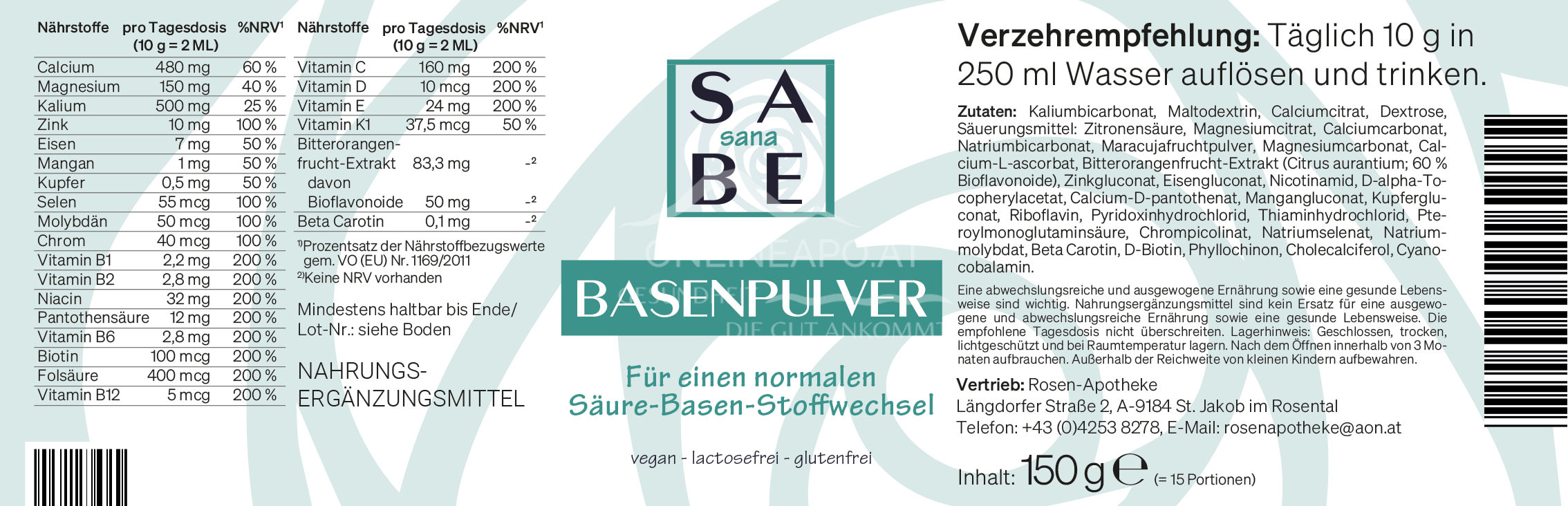
Dissolve 10g (equivalent to one measuring spoon) daily in 250ml of water and drink in sips. Food supplements are no substitute for a varied and balanced diet.
Ingredients
Nutrients per daily dose - 10 g = 2 scoops (%NRV1): Calcium 480 mg 60 %, magnesium 150 mg 40 %, potassium 500 mg 25 %, zinc 10 mg 100 %, iron 7 mg 50 %, manganese 1 mg 50 %, copper 0.5 mg 50 %, selenium 55 mcg 100 %, molybdenum 50 mcg 100 %, chromium 40 mcg 100 %, vitamin B1 2.2 mg 200 %, vitamin B2 2.8 mg 200 %, niacin 32 mg 200 %, pantothenic acid 12 mg 200 %, vitamin B6 2.8 mg 200 %, biotin 100 mcg 200 %, folic acid 400 mcg 200 %, vitamin B12 5 mcg 200 %, vitamin C 160 mg 200 %, vitamin D 10 mcg 200 %, vitamin E 24 mg 200 %, vitamin K1 37.5 mcg 50 %, bitter orange fruit extract83.3 mgof which bioflavonoids 50 mg -2, beta carotene 0.1 mg -2, 1) Percentage of the nutrient reference values acc. Regulation (EU) No. 1169/2011 2) No NRV available.
| Alcohol-free: | Not specified |
|---|---|
| Dietary supplement: | Yes |
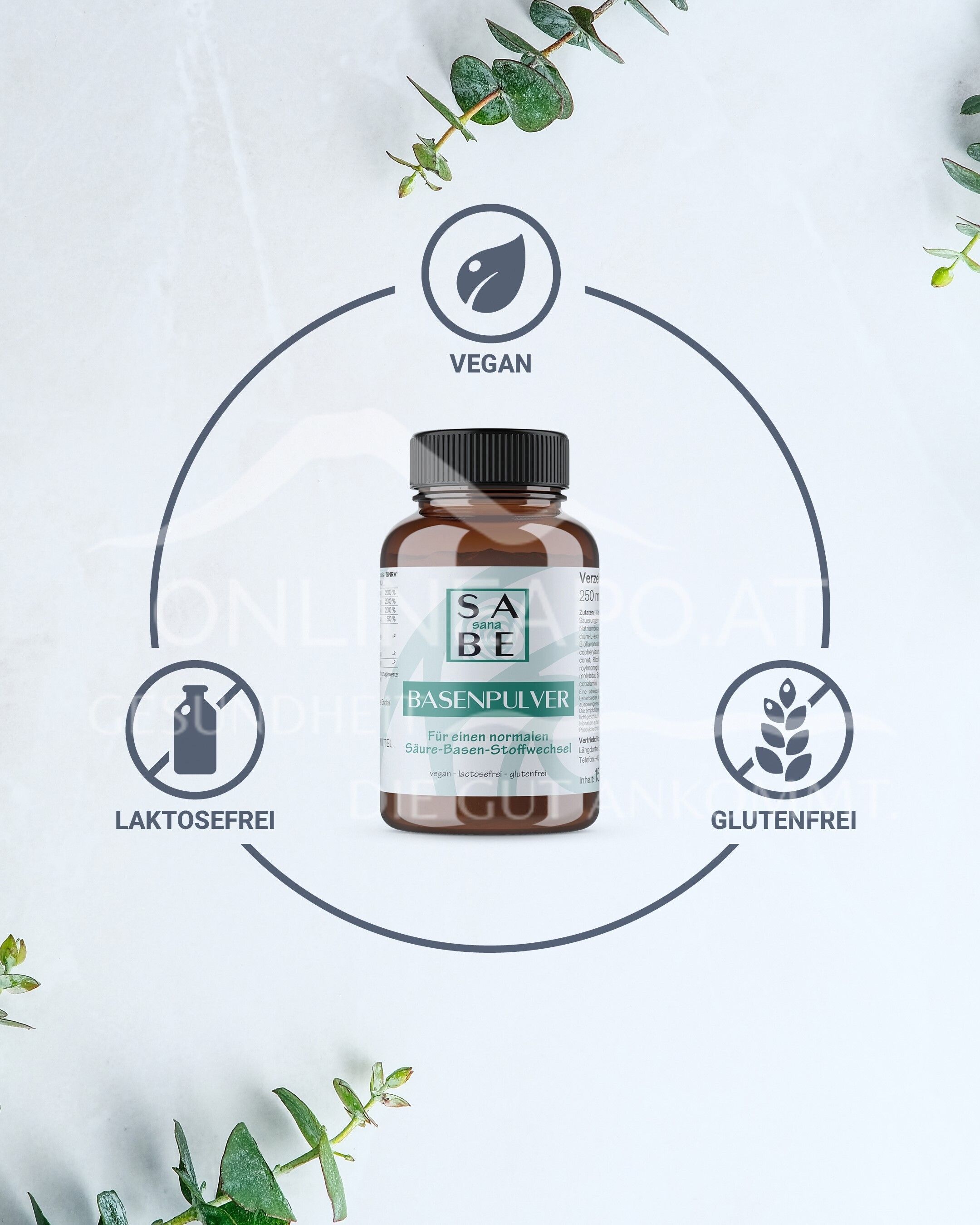
| Gluten-free: | Yes |
| Grams: | 150 |
| Lactose-free: | Yes |
| Perfume: | Not specified |
| Sugar-free: | Not specified |
| Vegan: | Yes |
| Vegetarian: | Not specified |
Richtig abnehmen! Mit den Top 10-Ratschlägen zur Top-Figur
Instructions for use
Customers also bought
Sofort verfügbar
Content: 300 Milliliter
€19.71* €21.90*
Sofort verfügbar
Content: 60 Stück
€26.50*
Sofort verfügbar
Content: 60 Stück
€24.50*

Sofort verfügbar
Content: 60 Stück
€26.50*
Sofort verfügbar
Content: 60 Stück
€19.50*
Sofort verfügbar
Content: 60 Stück
€21.50*