


Montmorency cherry capsules, 120 ST


Montmorency cherry capsules for dietary management of hyperuricaemia and gout. Contains a unique combination of Montmorency sour cherry with vitamin C and magnesium as well as B12, D3 and E vitamins.
€29.50*
Prices incl. VAT plus shipping costs (Kann sich je nach Land ändern)
⁴
- Gout is a painful, inflammatory disease of the joints in adults, triggered by an excess of uric acid in the blood ("hyperuricaemia") that has been present for years. During a long, symptom-free phase, so-called uric acid crystals increasingly form, which can be deposited in the joints over time. In addition to severe pain, they lead to swelling, reddening and warming of the joint ("acute gout attack"). The metatarsophalangeal joint is most frequently affected, followed by the knees and wrists. Gout is diagnosed from the first occurrence of the symptoms mentioned. This metabolic disease progresses in phases: symptom-free periods are interrupted by acute, very painful attacks. These usually occur at night and are caused by characteristic triggers such as physical or psychological stress and certain foods or drinks (see also the "Diet and lifestyle recommendations" section). Gout is also characterised by subsequent joint inflammation. The first attacks of gout do not usually cause permanent joint damage. However, if the uric acid level is not reduced by suitable treatment, the gout attacks occur at increasingly shorter intervals and cause permanent damage to the joints.1,2,3
- Gout is one of the most common metabolic diseases in industrialised countries. Around 30 per cent of men and 3 per cent of women are affected by hyperuricaemia, and around one in ten people with hyperuricaemia develop gout.4 Increasingly, gout is also being diagnosed in younger people due to its association with malnutrition, alcohol consumption, lack of exercise and obesity.5 In rare cases, the body produces so much uric acid due to a genetic defect (Lesch-Nyhan syndrome) that the kidneys are unable to excrete it, which also leads to gout attacks.6
- Gout is both an acute and a chronic inflammatory disease that often affects the whole body.7 It is assumed that there is a connection between gout and cardiovascular disease due to the constant inflammation during the symptom-free phases or the acute inflammation during a gout attack. People with gout are therefore much more frequently affected by concomitant diseases compared to the normal population. Cardiovascular diseases (such as high blood pressure, heart attack or stroke) and chronic kidney dysfunction are much more common in gout patients. In addition, around a quarter of people with gout suffer from diabetes and one in two suffer from morbid obesity.3,8
- For these reasons, intervention at the first signs of gout (elevated uric acid levels) is important. In addition to general measures such as a change in lifestyle, the intake of dietary foods such as Montmorency Cherry capsules is also advisable.
- They should only be used after consultation with a doctor and can also be used in addition to uric acid-lowering therapy.9,10
- Purine-rich foods can increase uric acid levelsand the risk of gout. For example, avoid (red) meat such as beef, pork, lamb and offalas well as seafood (especially shellfish and mussels). The consumption of all vegetables is expressly recommended.
- Depending on the dose, alcohol generally increases the risk of a gout attack. Avoid beer and spirits in particular . Wine posesa comparatively low riskfor gout .
- Drinks with a high fructose (fruit sugar) content can increase uric acid levels. Avoid soft drinks and fruit juices. Regular consumption of coffee can help to lower uric acid levels .
- Make sure you exercise regularly, at least 2 to 3 times a week for 20 to 30 minutes at a time.
- Weight gain and obesity can increase uric acid levels andlead to gout attacks.If you are overweight, losing weight slowly canhelp to reduceuric acid levels and thus protect against gout.
- lowers serum uric acid levels
- is associated with a lower risk of gout and
- mayreduce the frequency of acute gout attacks .10,12,13,14
- Increasing vitamin C intake helps to lower uric acid levels. Supplementation lowers uric acid levels and is associated with a reduction in the risk of gout.15,16,17,18
- According to an observational study, increased magnesium intake is associated with a reduced risk of hyperuricaemia. Magnesium can be present in different compounds. The magnesium citrate contained in Montmorency Cherry capsules is particularly recommended for gout, as it has an alkaline effect, neutralises acids (acidosis correction) and thus increases the excretion of uric acid.19,20
- A vitamin B12 deficiency regularly occurs as part of a change in diet to treat gout, as gout patients should avoid certain foods that contain vitamin B12 (such as meat or fish) due to their high purine content.
Dosage form
Directions
- Take 2 capsules twice daily with sufficient liquid, without chewing.
- Montmorency Cherry is also available as a liquid to best meet your intake requirements.
Ingredients
- Ingredients: cherry fruit powder; coating agent: hydroxypropyl methylcellulose; trimagnesium citrate; L-ascorbic acid; carriers: maltodextrin, gum arabic, maize starch; dl-alpha tocopheryl acetate; refined coconut oil; sugar; folic acid; cholecalciferol; cyanocobalamin.
- Nutritional information per 4 capsules (= daily dose): Energy 24 kJ/6 kcal, fat 0 g of which saturated fatty acids 0 g, carbohydrates 0.5 g of which sugar 0.2 g, protein 0.2 g, salt < 0.01 g of which sodium 1.1 mg, vitamin D3 5 μg, vitamin E 12 mg, vitamin C 300 mg, folic acid 600 μg, vitamin B 12 4 μg, magnesium 56 mg, Montmorency sour cherry powder* 1200 mg
| Stück: | 120 |
|---|
Anwendungshinweise
Cutsomers also bought
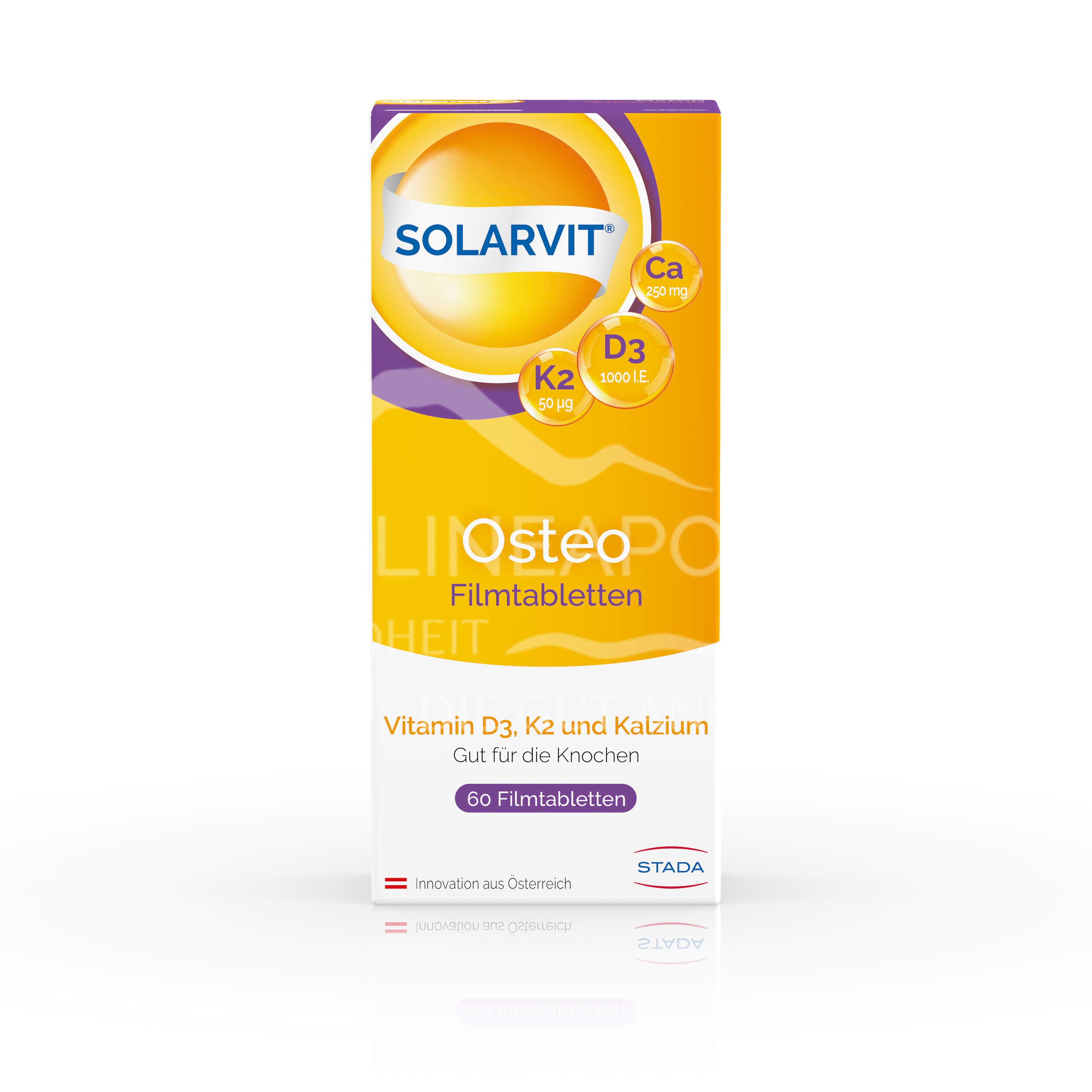
Content: 60 Stück
€25.90*
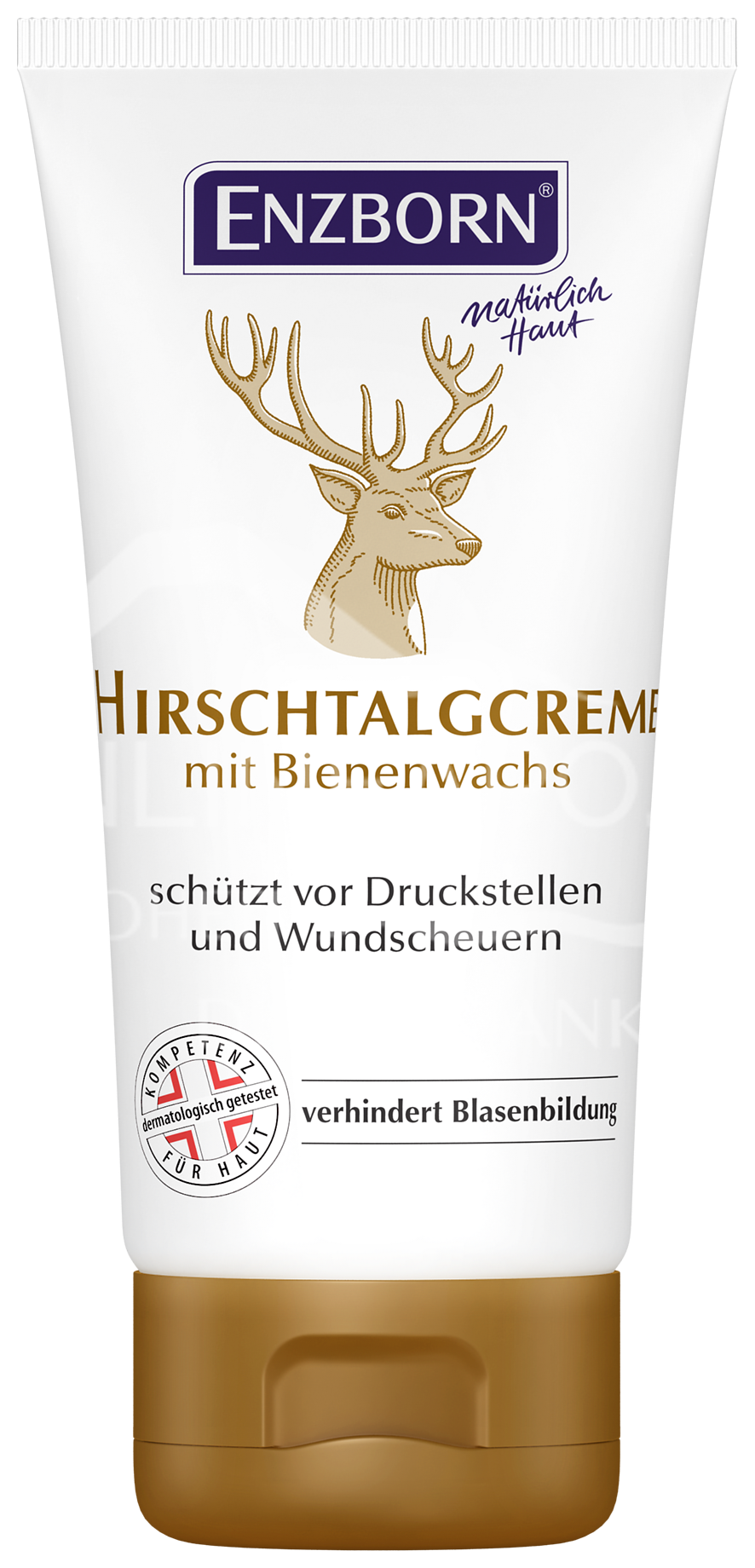
Content: 75 Milliliter
€6.71*

Content: 120 Stück
€23.19*
Content: 75 Milliliter
€7.95*
Content: 100 Milliliter
€12.50*

Content: 20 Stück
€6.40*