


Dr Kottas liver gall tea, 20 ST


DR. KOTTAS Liver Gall Tea is a medicinal tea with the active ingredients camomile blossoms, peppermint leaves, centaury and dandelion root. For use in mild digestive complaints such as bloating and flatulence.
€6.40*
Prices incl. VAT plus shipping costs (Kann sich je nach Land ändern)
⁴
Dr Kottas Liver Gall Tea is a medicinal tea with the active ingredients camomile blossoms, peppermint leaves, centaury and dandelion root.
The bitter substances in centaury and dandelion root promote the production of digestive juices. The camomile blossoms and peppermint leaves support the digestive effect.
Dr Kottas Liver Gall Tea is a traditional herbal medicinal product for use in mild digestive complaints such as bloating and flatulence.
The use of this traditional herbal medicinal product in the above-mentioned areas of application is based exclusively on many years of use.
Camomile (Flos Chamomillae vulgaris)
- True chamomile is an annual plant with an upright, mostly branched stem that grows in sparse locations. The two- to three-pinnate, narrow leaves grow singly at the ends of the branched shoot tips. The flower head consists of a crown of white ray florets and 400 to 500 yellow, tubular florets. The flowers have a pleasant aromatic odour when crushed.
- Effect: Camomile is used internally and externally. Thanks to its positive properties for wound healing, it is used for skin and mucous membrane inflammation, including the oral cavity and gums. Used as a tea, it provides rapid relief for stomach, intestinal and menstrual problems.
Peppermint (Folium Menthae piperita)
- Peppermint is a spontaneous cross between two types of mint (M. spicata and M. aquatica). It is sterile, i.e. it cannot reproduce naturally. It was first discovered in England in 1696 in a field of spearmint and has been cultivated in the form of seedlings ever since. It grows up to 90 cm high and contains essential oil. The leaves have a characteristic odour when crushed.
- Effect: The main active ingredient in peppermint is essential oil, especially menthol. Peppermint leaves are used to treat colds and headaches and relieve cramp-like complaints in the biliary tract and gastrointestinal tract.
Centaury (Herba Centaurii)
- This biennial plant, which grows up to 50 cm tall, is native to the whole of Europe and forms several subspecies. In the first year, a basal rosette of leaves appears; only in the second year does an upright, branched, flower-bearing stem form. The light pink to red flowers form an umbel. The dried, flowering herb is used medicinally.
- Effect: The bitter substances are the main active ingredients of centaury. It is used to treat indigestion, gastric weakness with insufficient secretion of gastric juices, flatulence, stomach cramps and to stimulate the appetite.
Dandelion (Folium Taraxaci, Radix Taraxaci, Flos Taraxaci and Herba Taraxaci cum radice)
- The dandelion is an extremely adaptable plant; it grows in many soils. From March to April, the bright yellow flower heads can be seen in meadows and fields. The young fresh leaves can also be prepared as a salad or soup.
- Effect: Dandelion stimulates kidney and gall bladder activity. It is therefore used as a naturally mild choleretic, diuretic and adjuvant for digestive disorders, particularly in cases of poor fat digestion, in cases of bile flow disorders and dyspeptic complaints.
Dosage form
tea bag
Directions
- Adults and adolescents aged 12 and over: 1 cup of tea 2-3 times a day after meals
- Children from 6-12 years: 1 cup of tea 1-2 times a day after meals
- Pour boiling water over 1 filter bag per cup (125 ml), cover and leave to infuse for 10 minutes. Then squeeze out the filter bag well and drink the tea lukewarm in sips.
- If the symptoms worsen or if there is no improvement after 14 days, a doctor should be consulted.
- As there is insufficient data available, use in children and adolescents under 6 years of age is not recommended.
Advice:
Dr Kottas Liver Gall Tea must not be taken,
- if you are hypersensitive (allergic) to any of the active ingredients or composite plants or menthol.
- if you suffer from constrictions in the digestive tract or bile ducts, acute gallbladder inflammation or stomach ulcers.
- Special care is required when taking Dr Kottas Liver-Gallbladder Tea: Patients with gastro-oesophageal reflux disease (reflux of gastric juice into the oesophagus) should avoid peppermint, as heartburn may increase.
- Patients with gallstones or other diseases of the gallbladder should be careful when taking peppermint.
- Patients with kidney dysfunction, diabetes or heart disease should avoid taking dandelion root as there is a risk of increased potassium levels in the blood.
- When taking Dr Kottas Liver Gall Tea with other medicines: Please inform your doctor or pharmacist if you are taking/using or have recently taken/used other medicines, even if they are non-prescription medicines.
Ingredients
1 filter bag contains: 0.238 g chamomile flowers (Matricariae flos), 0.42 g peppermint leaves (Menthae piperitae folium), 0.462 g centaury (Centaurii herba), 0.28 g dandelion root (Taraxaci radix)
| Größe: | Keine Angabe |
|---|---|
| Alkoholfrei: | Keine Angabe |
| Farbe: | Keine Angabe |
| Fruktosefrei: | Keine Angabe |
| Geschmack: | Keine Angabe |
| Glutenfrei: | Keine Angabe |
| Laktosefrei: | Keine Angabe |
| Parfum: | Keine Angabe |
| Vegan: | Keine Angabe |
| Zuckerfrei: | Keine Angabe |
| Stück: | 20 |
Anwendungshinweise
| Art der Anwendung: | LogImport.sisx.AAD.Pro Tasse 1 Filterbeutel mit kochendem Wasser übergießen, 10 min zugedeckt ziehen lassen, Filterbeutel gut ausdrücken und Tee lauwarm trinken |
|---|---|
| Anwendungsgebiet: | LogImport.sisx.AGD.Traditionell pflanzlich bei Dyspepsie, Blähungen |
| Dosierung: | LogImport.sisx.DOD.Personen ab 12 Jahren 2-3mal tgl nach den Mahlzeiten 1 Tasse Kinder ab 6 Jahren 1-2mal tgl nach den Mahlzeiten 1 Tasse Für Kinder 6 Jahren nicht empfohlen |
| Eigenschaften und Wirksamkeit: | LogImport.sisx.EWD.Verdauungsfördernd |
| Gegenanzeigen: | LogImport.sisx.GAD.Korbblütlerüberempfindichkeit, Obstruktionen des MagenDarm-Trakts oder Gallenwege, akute Gallenblasenentzündung, peptische Ulzera |
| Nebenwirkungen: | LogImport.sisx.NWD.Sodbrennen, Reflux, Magenschmerzen, allergische Reaktionen |
| Besondere Warnhinweise zur sicheren Anwendung: | LogImport.sisx.WHD.Vorsicht bei gastroösophagealem Reflux, Nierenschäden, Diabetes, Herzerkrankungen |
| Schwangerschaft und Stillperiode: | LogImport.sisx.SSTD.Nicht empfohlen keine Daten vorliegend |
Schwangerschaftshinweise
| Es kann keine genaue Aussage gemacht werden. |
|---|
| Anwendung verboten |
Stillzeithinweise
| Es kann keine genaue Aussage gemacht werden. |
|---|
| Stillen verboten |
Piktogramme
| Vorsicht Diabetiker |
|---|
Cutsomers also bought
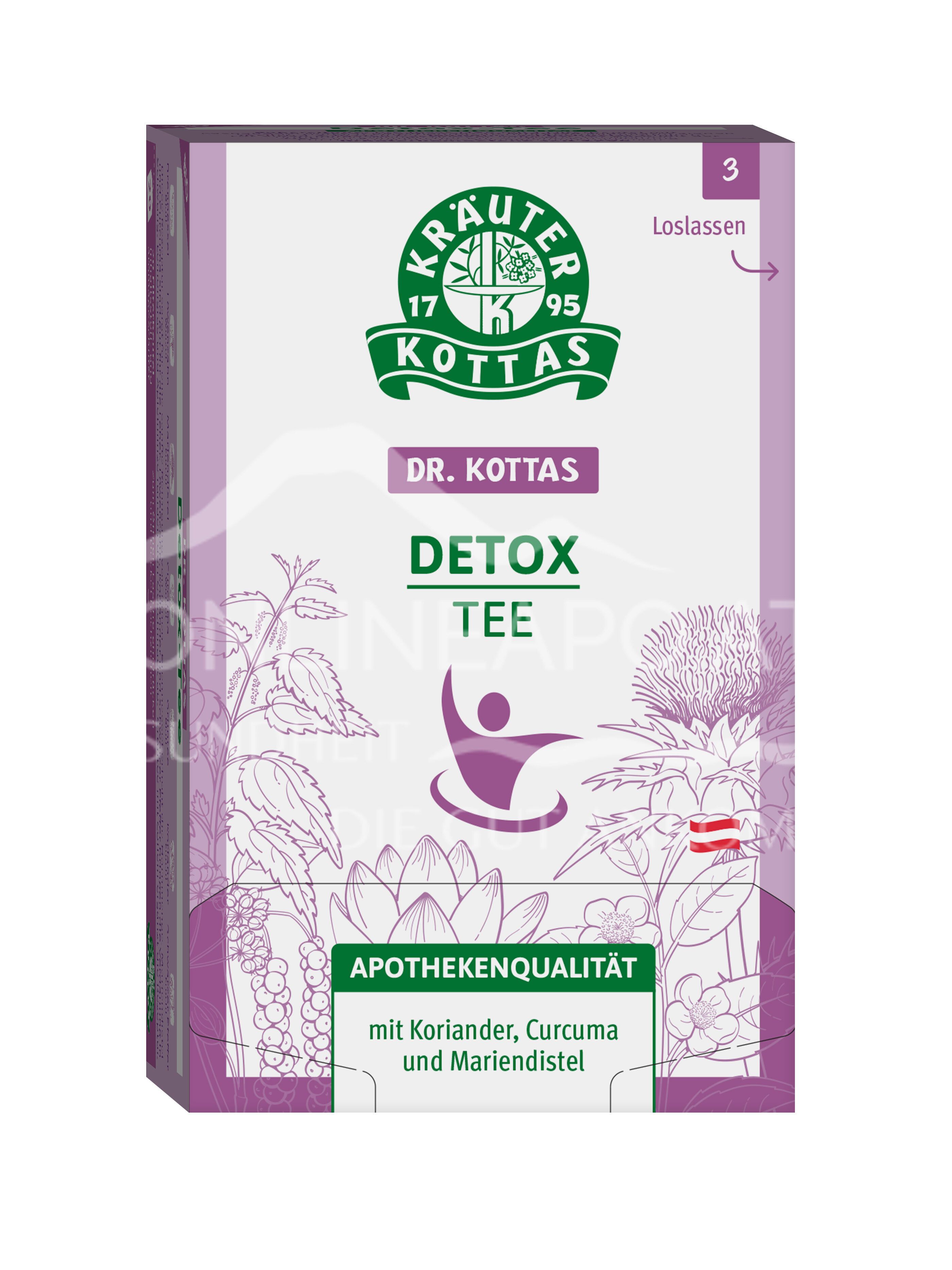
Content: 20 Stück
€5.99*
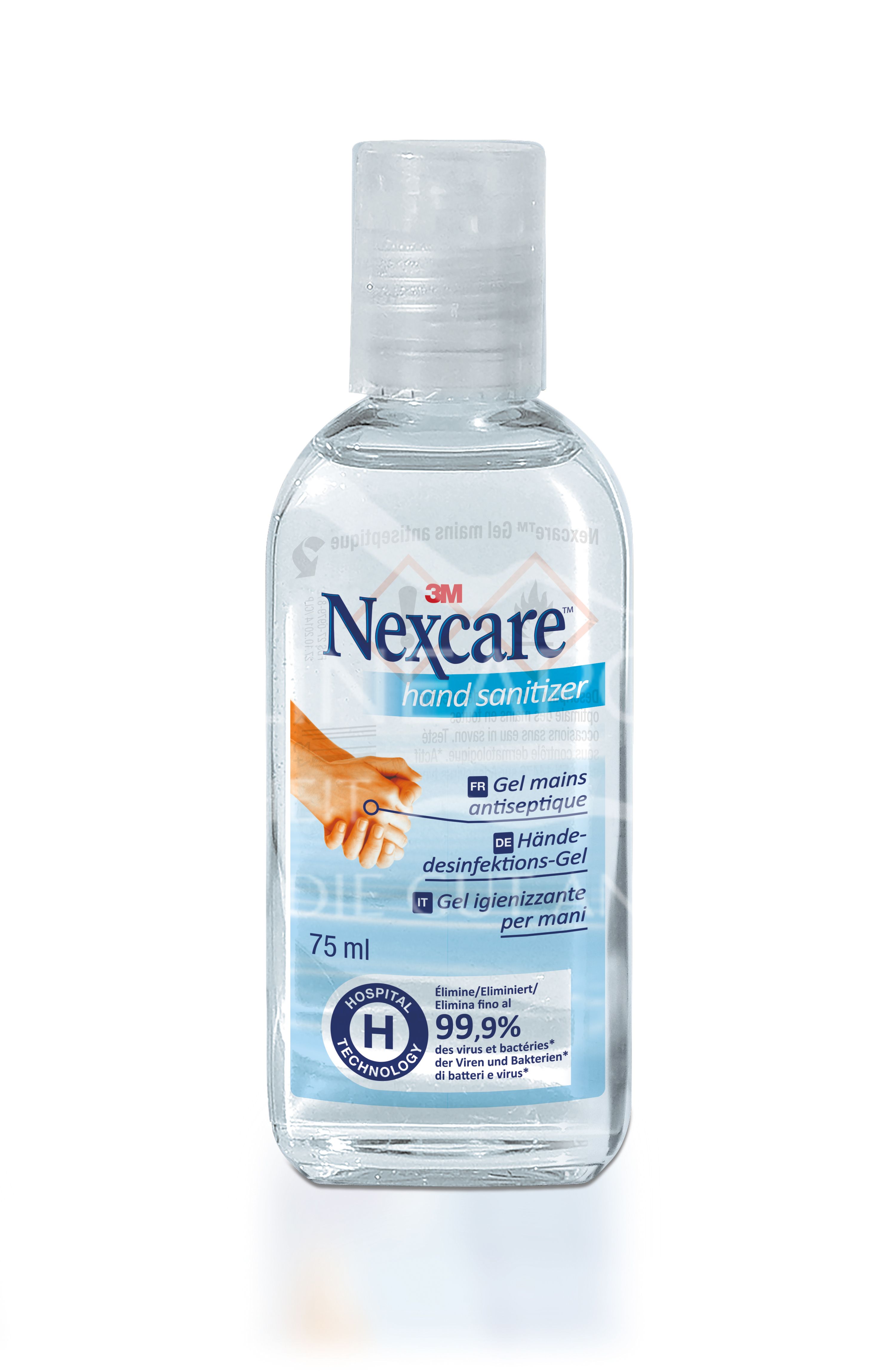
Content: 75 Milliliter
ab €2.05*
Content: 48 Stück
ab €9.95*

Content: 1 Stück
€20.66*
Content: 48 Stück
ab €7.12* €16.90*
Content: 20 Stück
ab €2.15*